
You know that moment when you realize your dog has started hesitating at the bottom of the stairs, or your cat sleeps through the sound of the treat bag crinkling? These small changes sneak up on us. One day you have a pet who bounces to the door for every walk, and seemingly overnight, they are moving a little slower, sleeping a little more, and showing their age in ways that tug at your heart. The good news is that aging is not a disease, and with the right care, senior pets can stay comfortable and engaged for years.
So how do you know when your pet officially becomes a “senior,” and what can you do to help them thrive? The answer involves more than just watching for obvious problems. Proactive screening catches issues like blood pressure changes, thyroid imbalances, and early organ disease before they cause symptoms, when treatment is simpler and less expensive. At Animal Hospital at Hillshore in Madison, Wisconsin, we believe in a comprehensive approach to senior wellness that combines gentle exams with targeted diagnostics. Our wellness and prevention services are designed with aging pets in mind, and our diagnostics team can run the tests that give you real answers. If your pet is entering their golden years, please contact us to discuss what screening makes sense.
When Does a Pet Become a Senior?
The timeline varies by species and size. Large dogs may hit senior status around age six, while small dogs and cats often do not show significant aging until eight or nine. But the calendar is not the only indicator. Senior pet care recommendations suggest watching for behavioral changes like decreased activity, trouble seeing in dim light, weight shifts, or new hesitation with jumping or climbing.
The goal of senior care is not to medicate every gray muzzle, but to catch problems while they are still manageable. Structured wellness visits that screen for blood pressure issues, organ changes, thyroid health, and joint problems can add quality years to your pet’s life.
Why Are Routine Exams Not Enough for Older Pets?
Senior pets change faster than younger ones. Organs slow down, metabolism shifts, and the immune system weakens. Many serious conditions stay silent until significant damage has occurred. That is why preventive testing matters so much for this age group.
Six months is a long time in a senior pet’s life. Waiting a full year between checkups can allow treatable conditions to advance beyond easy intervention. Twice-yearly visits with targeted testing add objective data that physical exams alone cannot provide.
What early detection can reveal:
- Blood work showing kidney changes before noticeable thirst or weight loss
- Thyroid testing catching imbalances before heart issues develop
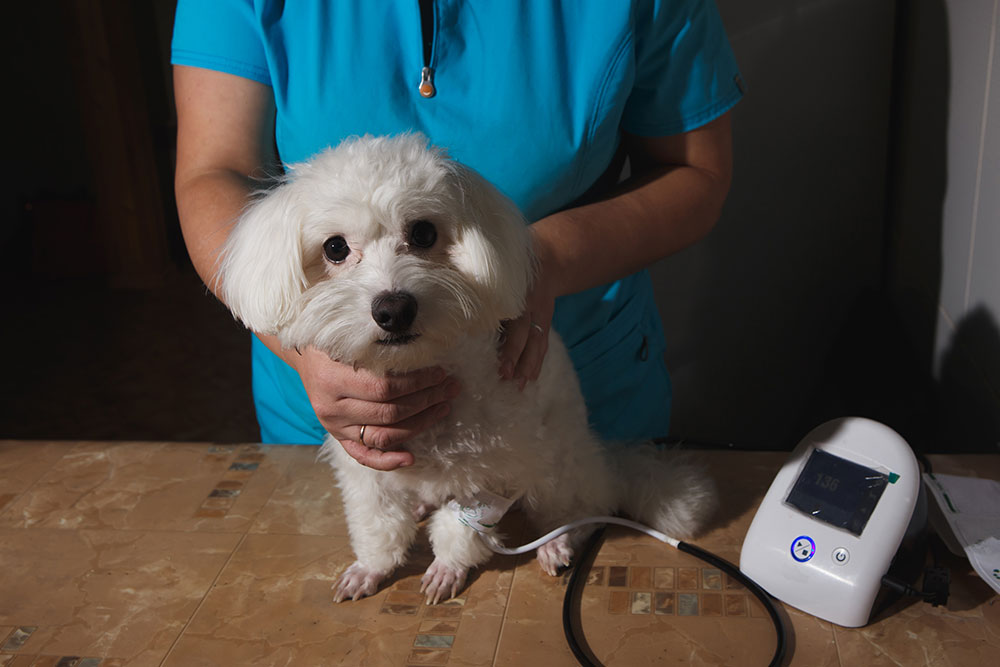
- Blood pressure screening identifying hypertension before it harms eyes or kidneys
- Urinalysis detecting diabetes or infections before symptoms appear
Even “normal” results help by creating baselines. When values start trending upward, we can act early rather than waiting for symptoms.
What Does Blood Work Show in Senior Pets?
Blood panels offer a snapshot of internal health. Diagnostic tests include complete blood counts that look at red and white cells, and chemistry panels that check organ function, blood sugar, and electrolytes.
| Test | What It Measures | What It Detects |
| Complete Blood Count | Red cells, white cells, platelets | Anemia, infection, clotting issues |
| Chemistry Panel | Liver enzymes, kidney values, proteins | Liver disease, kidney disease, dehydration |
| Blood Glucose | Blood sugar levels | Diabetes, hypoglycemia |
| Electrolytes | Sodium, potassium, chloride | Dehydration, kidney issues, metabolic disorders |
Common findings in seniors include rising kidney values, elevated liver enzymes, and increased blood sugar. We track trends over time because a slow increase across several tests can signal early disease even when individual values are still technically normal.
Our in-house laboratory provides same-day results so we can discuss findings and next steps during the same visit.
What About Thyroid Problems?
Hypothyroidism in Dogs
Hypothyroidism means the thyroid is not producing enough hormone. It commonly affects middle-aged and senior dogs.
Signs to watch for:
- Unexplained weight gain despite normal eating
- Lethargy and exercise intolerance
- Thinning coat or hair loss, especially along the body and tail
- Dry, flaky skin or recurring skin infections
- Seeking warm places and seeming cold all the time
A simple blood test screens for hypothyroidism, and if confirmed, daily medication usually restores normal levels. Most dogs improve within weeks as energy returns and coat quality improves.
Hyperthyroidism in Cats
Feline hyperthyroidism is the most common hormonal disease in senior cats. The thyroid makes too much hormone, revving up metabolism.
Signs to watch for:
- Weight loss despite increased appetite
- Restlessness or unusual hyperactivity
- Increased thirst and urination
- Vomiting or diarrhea
- Rapid heart rate
- Unkempt, dull coat
Treatment options include daily medication, prescription iodine-restricted diet, or radioactive iodine therapy. The best choice depends on your cat’s overall health and your ability to medicate consistently. Untreated thyroid disease shortens life and reduces quality, but with treatment and regular monitoring, most cats do very well.
Why Does Blood Pressure Screening Matter?
Hypertension rarely shows obvious signs until there is damage to kidneys, eyes, heart, or brain. Some pets go suddenly blind from retinal detachment. Others develop kidney problems or neurologic changes with no warning.
Blood pressure checks are quick and noninvasive, using a small cuff and gentle technology similar to human measurements.
Conditions commonly linked to high blood pressure:
- Chronic kidney disease
- Hyperthyroidism in cats
- Diabetes
- Cushing’s disease
Organs affected by uncontrolled hypertension:
- Eyes (retinal detachment and sudden blindness)
- Kidneys (accelerated damage)
- Heart (increased workload)
- Brain (stroke-like episodes)
Managing hypertension usually combines medication with treatment of any underlying disease. Blood pressure checks are a standard part of our senior wellness approach.
What Can Urinalysis and Kidney Screening Reveal?
Urinalysis looks at concentration, protein, glucose, blood cells, crystals, and bacteria. It is a simple way to spot kidney disease, urinary infections, diabetes, or bladder stones.
Kidney disease is especially common in senior cats and often stays silent until 65 to 75 percent of function is lost. Healthy kidneys make concentrated urine, so dilute urine or protein in the urine can signal trouble early.
Combining urinalysis with blood work gives a fuller picture of kidney health and helps us act before symptoms like increased thirst or weight loss appear.
When Should Senior Pets Have Heart Screening?
Physical exams may uncover heart murmurs or irregular rhythms that prompt deeper evaluation. Heart disease diagnosis can include several types of testing.
| Test | What It Shows | When Used |
| Chest X-rays | Heart size, lung health | Screening, coughing, exercise intolerance |
| Echocardiogram | Heart structure, valve function | Murmurs, suspected heart disease |
| NT-proBNP testing | Heart stress biomarker | Screening before symptoms appear |
Common conditions include mitral valve disease in dogs and hypertrophic cardiomyopathy in cats. Early detection allows medications and lifestyle changes that reduce strain on the heart and improve comfort.
When Do Senior Pets Need Imaging?
X-Rays
Radiography helps evaluate heart and lung health, check abdominal organs, assess bones and joints for arthritis, and investigate unexplained symptoms. Digital X-rays provide high-quality images with less radiation exposure.
Ultrasound
Ultrasound shows organ details in real time, visualizing the liver, spleen, kidneys, bladder, and intestines for inflammation, masses, or other changes. Most pets tolerate the scan well without sedation.
Our diagnostics team offers both modalities under one roof for comprehensive evaluation.
What About Cancer Screening?
Early detection matters for cancer. Physical exams, lab work, and imaging help find lumps, enlarged lymph nodes, or organ changes. Some cancers are curable when caught early, while others can be managed to preserve quality of life. If a suspicious mass is found, a fine needle sample or biopsy determines whether it is benign or malignant, guiding next steps.
Pets like Golden Retrievers and German Shepherd can benefit from regular abdominal x-rays and ultrasounds to pick up hemangiosarcoma, or cancer of the spleen, before it causes internal bleeding. Great Danes and Rottweilers benefit from x-rays that can pick up bone cancers like osteosarcoma before they cause a pathologic fracture. New cancer screening blood tests allow us to diagnose diseases like Lymphoma months before they show symptoms.
How Do You Manage Arthritis in Senior Pets?
Arthritis is common in senior dogs and often overlooked in cats. Caught early, we can make adjustments to your home and their medical plan that will keep them comfortable for years.
Effective pain management options include:
- Anti-inflammatory medication as appropriate
- Monthly injections like Librela and Solensia for arthritis pain
- Joint supplements like glucosamine and omega-3 fatty acids
- Weight management to reduce joint stress
- Physical therapy and targeted exercises
- Environmental modifications like ramps and raised food bowls
Why Does Dental Health Matter for Seniors?
Dental disease is very common in older pets and can affect the heart, liver, and kidneys when bacteria from infected gums enter the bloodstream.
Signs of dental problems:
- Bad breath
- Drooling or pawing at the mouth
- Reluctance to chew or dropping food
- Bleeding gums or loose teeth
Professional cleaning under anesthesia removes tartar above and below the gumline. Pre-anesthetic blood work helps ensure safety, and we tailor protocols to each senior patient.
Building a Personalized Senior Care Plan
Every pet ages differently. Screening results, exam findings, breed risks, and lifestyle all shape the right approach. Senior pets typically benefit from visits every six months, and some need more frequent monitoring.
Factors we consider:
- Current health status and existing conditions
- Breed predispositions
- Weight and body condition
- Activity level and lifestyle
- Previous screening results and trends
- Your goals and preferences
Our team believes in open communication and shared decision-making. We will explain what we find, discuss options, and help you choose what makes sense for your pet and your family.
FAQs
How often should my senior pet be seen?
Most seniors benefit from visits every six months. Pets with chronic conditions may need more frequent monitoring.
What are early signs my pet needs screening now?
Watch for increased thirst, weight changes, new lumps, coughing, behavior shifts, stiffness, decreased appetite, or changes in litter box habits.
Is anesthesia safe for senior pets?
With pre-anesthetic testing and appropriate monitoring, modern anesthesia is very safe. We tailor protocols to each pet.
What if my pet’s tests are normal?
That is great news! Normal results provide a baseline to spot small changes sooner and offer peace of mind.
Helping Your Senior Pet Thrive
Proactive screening helps senior pets stay comfortable, active, and engaged. Catching kidney disease, thyroid problems, hypertension, and arthritis early keeps treatment simpler and less costly. Even normal results help by setting baselines and easing worry.
If your pet is entering their golden years, our team is here to guide you with compassion and clear plans. Please contact us to discuss a senior wellness plan that fits your pet’s needs and your peace of mind.




Leave A Comment