
It can feel deeply unfair when your pet becomes seriously ill not from something they caught or ate, but from their own immune system turning against them. Immune-mediated blood diseases, where the body destroys its own red blood cells or platelets, do not follow any obvious pattern. They can strike young dogs in apparent good health, or older cats who have had uneventful lives. And because the early signs (mild lethargy, reduced appetite, slightly pale gums) can be so easy to attribute to something minor, they sometimes get further along than they should before diagnosis.
Animal Hospital at Hillshore in Madison is a practice built on genuine support, with a team of passionate animal lovers who treat every client and patient with the care they deserve. Our diagnostics help us identify immune-mediated conditions early, with same-day results that allow us to start treatment during the same visit when needed. If your pet seems off in a way you cannot quite explain, trust that instinct and contact us.
Key Facts
- Immune-mediated hemolytic anemia (IMHA) destroys red blood cells; immune-mediated thrombocytopenia (ITP) destroys platelets, leading to spontaneous bleeding; when both occur together the condition is called Evans syndrome.
- Primary disease has no identifiable trigger and is treated with immunosuppression alone; secondary disease is triggered by an infection, toxin, cancer, or medication, and requires both immunosuppression and treatment of the underlying cause.
- Wisconsin’s long tick season puts Lyme, ehrlichia, anaplasma, Rocky Mountain spotted fever, and Babesia high on the list of secondary triggers, which is why tick-borne disease testing is part of every workup we run.
- Outcomes are best when families recognize the early signs (pale or yellow gums, unexplained bruising, increased breathing effort, dark urine) and seek same-day evaluation rather than waiting for symptoms to worsen.
What Happens When the Immune System Turns on the Blood?
The immune system normally distinguishes between self and not-self, attacking foreign invaders while leaving the body’s own cells alone. In immune-mediated diseases, that distinction breaks down. The body misidentifies its own red blood cells or platelets as threats and destroys them.
There is an important clinical distinction between primary and secondary disease. Primary IMHA and ITP develop without an identifiable trigger. The immune system simply turns on without a clear reason, and treatment focuses on suppressing the misdirected response. Secondary disease is triggered by something specific: an infection, a toxin, a tumor, a medication, and treatment requires both immunosuppression and identifying and addressing the underlying cause. Treating only the surface attack while leaving the trigger in place leads to relapse.
What Is IMHA in Dogs and Cats?
Immune-mediated hemolytic anemia, or IMHA, is the destruction of red blood cells. As the red cell count drops, the body progressively loses its ability to deliver oxygen to tissues. Mild cases may produce subtle fatigue. Severe cases produce true crisis, with dogs and cats unable to oxygenate adequately even at rest.
What Are the Early Signs of IMHA?
The earliest signs are often nonspecific: your pet may seem a little flatter than usual, slightly less interested in food, perhaps breathing a touch faster while resting. As anemia progresses, more telling signs appear:
- Pale or yellow-tinged gums: the gums and inner eyelids are the easiest places to check for pale or jaundiced gums
- Faster resting respiratory rate or increased breathing effort
- Dark, brown, or orange-tinged urine
- Significant weakness or reluctance to move
- Loss of appetite that worsens day by day
- Yellowing of the whites of the eyes, called icterus
Some breeds carry a documented breed predisposition for IMHA. Cocker Spaniels, Springer Spaniels, Poodles, and Old English Sheepdogs all see higher rates than the general population. If you have one of these breeds, knowing about IMHA in advance can save real time when something looks off.
What Triggers Secondary IMHA?
Several specific triggers can drive secondary IMHA. Infectious causes lead the list. Leptospirosis is a real concern in Wisconsin, where dogs encounter contaminated water in lakes, ponds, and standing puddles. Hemotropic mycoplasma infections attach directly to red blood cells in cats and trigger immune destruction.
Cancer is another important trigger. Lymphoma can drive IMHA either as a paraneoplastic effect or because lymphoma cells crowd out normal blood cell production, and hemangiosarcoma of the spleen can present with anemia. Viruses can also be a cause. In cats, feline leukemia virus is a known trigger.
Toxins and envenomations round out the major triggers. Zinc toxicosis, most often from swallowed pennies minted after 1982, causes red blood cell destruction in dogs. Snake bites and certain medications can also trigger immune-mediated red cell destruction. Identifying the trigger is not optional in these cases. It is central to recovery.
Why Does IMHA Sometimes Cause Blood Clots?
Here is the cruel paradox that makes IMHA especially dangerous: while red blood cells are being destroyed, the clotting system simultaneously becomes hyperactive, forming abnormal clots in places they should not form. Pulmonary thromboembolism (a clot in the lung’s blood vessels) is one of the leading causes of death in IMHA patients.
Signs of a possible clot in a pet already being treated for IMHA include:
- Sudden onset of difficulty breathing, especially with no change in environment
- Acute weakness or partial paralysis, often affecting one side
- Sudden coldness, pain, or color change in a limb
- Collapse without an obvious trigger
Any of these warrant immediate evaluation. If your pet is being treated for IMHA and shows any of these signs, do not wait. Contact us right away or head to your nearest ER.
What Is ITP in Dogs and Cats?
Immune-mediated thrombocytopenia, or ITP, involves immune destruction of platelets. Platelets are the tiny cell fragments that initiate clotting at injury sites, and without enough of them, the body bleeds without obvious provocation. Internal bleeding can be substantial even when external signs are subtle, which is part of what makes ITP dangerous.
What Are the Signs of ITP?
The hallmark sign is bleeding without an obvious cause:
- Pinpoint red dots (petechiae) on the gums, belly, or inside the ears
- Larger bruises (ecchymoses) on the belly or other thin-skinned areas
- Nosebleeds without trauma
- Blood in urine or stool, or black tarry stools
- Bleeding from a small wound that takes far longer to stop than expected
- Bleeding from the mouth or gums
- Pale gums and significant lethargy if internal bleeding is heavy
Any of these signs warrants evaluation that day. The platelet count can drop to dangerous levels without much warning.
What Triggers ITP?
Like IMHA, ITP can be primary or secondary. Secondary triggers include many of the same causes as IMHA, with tick-borne disease at the top of the list. Heartworm disease and distemper virus are also documented triggers, as are several medications, certain cancers, and rarely, recent vaccination. The risk associated with vaccination is low and the benefits of vaccinating are substantially greater, but it is worth being aware that ITP can occasionally develop after a vaccine, particularly in dogs with predisposing factors.
What Is Evans Syndrome?
When a pet experiences both IMHA and ITP simultaneously, the condition is called Evans syndrome. Concurrent immune-mediated conditions are particularly challenging because the patient is anemic and unable to clot at the same time, often requiring more aggressive immunosuppression and frequent monitoring. Evans syndrome cases tend to do best with intensive early management and a willingness to adjust the protocol quickly as the response unfolds.
How Do Tick-Borne Diseases Cause Immune-Mediated Blood Disorders?
Wisconsin’s tick season is long, and several tick-borne infections directly trigger or convincingly mimic IMHA and ITP. Treating apparent primary disease without ruling out a tick-borne driver leads to incomplete recovery and frustrating relapse.
The major culprits include Lyme disease, which can produce immune-mediated effects on platelets and red cells; Rocky Mountain spotted fever, which is increasingly recognized in the upper Midwest; Babesia, which is spread by ticks or from the bite of an infected dog; and ehrlichia and anaplasma, both common co-infections in tick-exposed dogs.
Tick-borne disease testing is part of the standard workup whenever we evaluate a pet for immune-mediated blood disease. Our diagnostics include the panels needed to identify these infections and guide treatment.
How Are Immune-Mediated Blood Diseases Diagnosed?
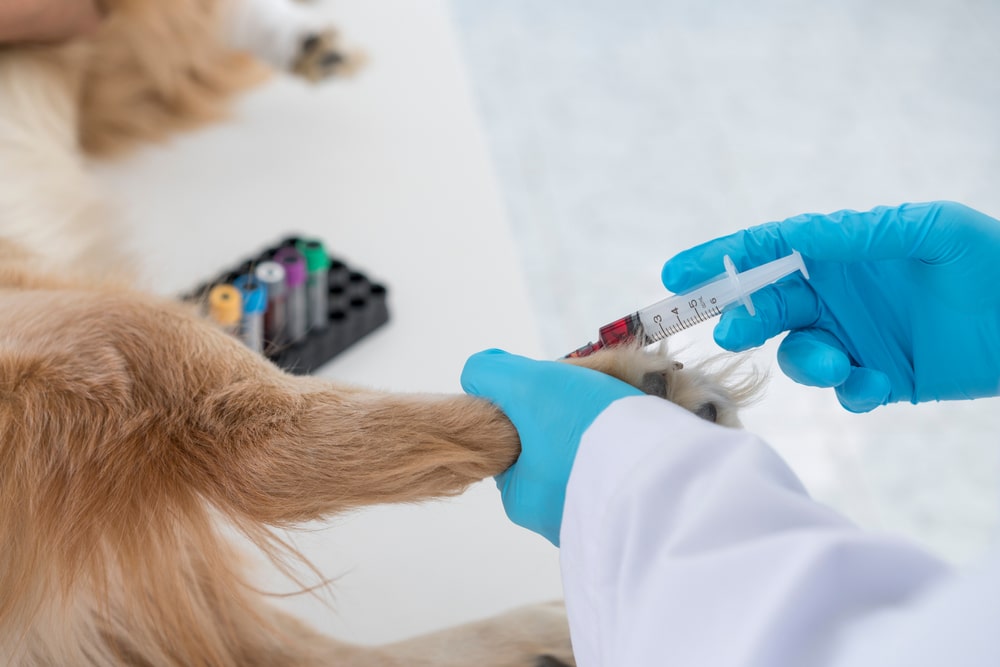
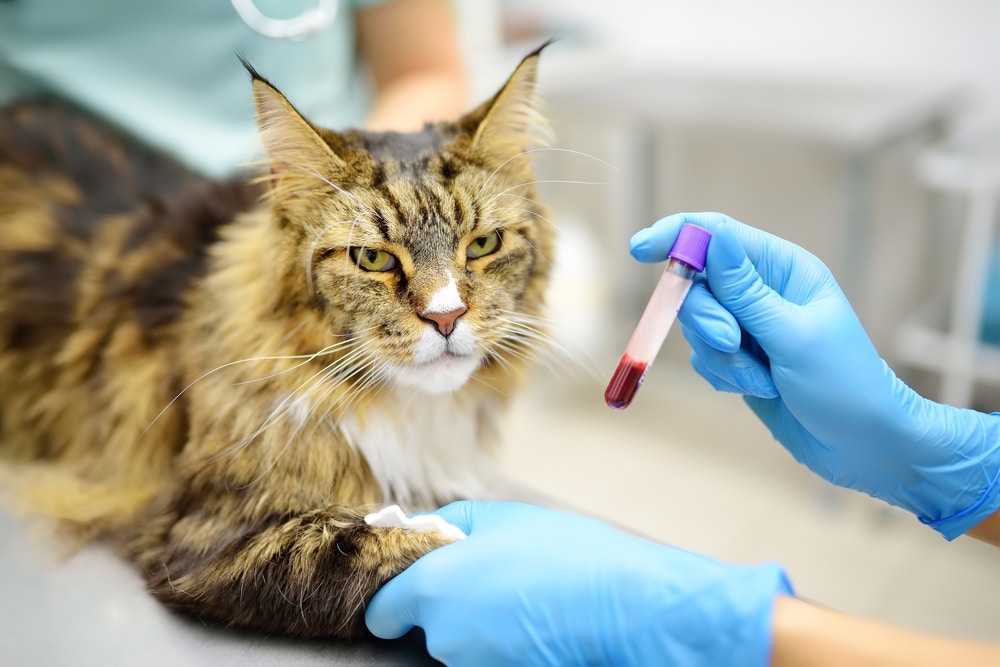
The diagnostic process moves quickly because timing matters. Most of the workup happens in-house with same-day results so treatment can begin during the same visit rather than waiting for outside lab results. A typical workup includes:
- Take a detailed history and physical exam focused on tick exposure, recent medications, vaccinations, travel history, and timeline of symptoms
- Run complete blood count and blood smear to confirm anemia or thrombocytopenia and assess cell morphology
- Perform a Coombs test to detect antibodies bound to red blood cells, supporting the diagnosis of IMHA
- Check reticulocyte count to determine whether the bone marrow is responding appropriately
- Run chemistry panel and urinalysis to evaluate organ function and look for evidence of internal bleeding or red cell breakdown products
- Order a tick-borne disease panel to identify infectious triggers
- Add imaging when underlying cancer is a possibility
Our team talks through findings in real time so you understand what is happening and what comes next without waiting and worrying.
How Are IMHA and ITP Treated in Dogs and Cats?
Immune-mediated disease treatment has two parallel goals: stop the immune attack, and support the body while counts recover. Secondary cases require a third goal of treating the underlying trigger. Treatment is individualized and continuously adjusted based on response.
IMHA Treatment Options
- Immunosuppression with corticosteroids (typically prednisone) as the foundation, often combined with a second-line agent like cyclosporine, mycophenolate, or azathioprine to allow lower steroid doses
- Anti-clotting medications (clopidogrel, aspirin, or others) for high-risk patients to prevent thromboembolic complications
- Supportive care including IV fluids, anti-nausea medication, gastric protectants, and nutritional support
- Blood transfusions: for severely anemic patients to maintain oxygen delivery while the bone marrow recovers
- Therapeutic plasma exchange: for severe or refractory cases that do not respond to standard therapy
- Blood purification: an emerging option at specialty centers for the most challenging cases
- Targeted antimicrobials when an infectious trigger is confirmed
ITP Treatment Options
ITP treatment overlaps significantly with IMHA but adds platelet-specific options:
- Corticosteroids as first-line therapy to suppress the immune attack on platelets
- Vincristine: an injectable medication that boosts platelet release from the bone marrow, often used early in severe cases
- Intravenous immunoglobulin (IVIG): for critically low platelet counts
- Splenectomy: a later-stage option for cases that do not respond to medical management, since the spleen is a major site of platelet destruction
Most pets respond well to initial treatment within a few days, but immunosuppression often continues for months while the dose is gradually tapered. Stopping medication too quickly is a common cause of relapse.
Can Tick Prevention Reduce the Risk of Immune Blood Disease?
Year-round tick prevention reduces the risk of secondary IMHA and ITP triggered by tick-borne infection, and prescription products are significantly more reliable than over-the-counter alternatives. Wisconsin’s tick activity continues even during mild winters, and gaps in prevention create exposure windows that are difficult to recover from once a tick has fed.
Our wellness and prevention services include guidance on choosing the right product for your pet’s lifestyle and risk profile, and we run baseline tick-borne disease screening as part of comprehensive wellness in higher-risk dogs.
What Warning Signs Mean My Pet Needs Urgent Care?
Same-day evaluation is appropriate for any of the following:
- Sudden weakness, collapse, or unwillingness to stand
- Pale, white, yellow, or muddy gums
- Petechiae or unexplained bruising on the belly, gums, or inside the ear flaps
- Labored breathing at rest or noticeable breathing effort even while calm
- Dark or blood-tinged urine
- Significant lethargy that is new or progressively worse
- Bleeding from the nose or gums without injury
If you see any of these signs, reach out so we can either get you in same-day or direct you to an ER if needed.
Frequently Asked Questions About IMHA and ITP in Pets
How quickly does immune-mediated blood disease progress?
It varies. Some pets decline noticeably over hours; others worsen over days or weeks. Because progression is unpredictable, prompt evaluation when something seems off is the safer approach.
Can my pet recover from IMHA or ITP?
Yes. With prompt diagnosis and appropriate treatment, many pets achieve full remission and resume normal lives. Some require long-term medication. Outcomes are best when treatment starts early and the underlying trigger, when present, is identified and addressed.
Will my pet need to be on medication forever?
Many pets are eventually weaned off immunosuppressants over a span of 6 to 12 months or longer. Some can stop entirely; others do best on a low maintenance dose. Tapering is gradual to reduce relapse risk.
Are some breeds more prone to immune-mediated blood diseases?
Yes. Cocker Spaniels, Springer Spaniels, Poodles, Old English Sheepdogs, and several other breeds are documented to have higher rates of IMHA. ITP shows breed associations as well, though they are less consistently studied.
Could vaccination cause my pet’s immune-mediated disease?
The link between vaccination and immune-mediated disease is real but rare. The benefits of vaccination dramatically outweigh the risk for the vast majority of pets, but if your pet has had a confirmed immune-mediated reaction, we adjust the vaccine schedule going forward and use the lowest necessary protection.
From Uncertainty to a Treatment Plan
Immune-mediated blood diseases are serious, but they are also treatable. Catching warning signs early and acting on them gives your pet the best shot at recovery. Fast, accurate diagnosis paired with individualized treatment returns most pets to normal life.
If you have noticed something that worries you, a pale gum, a new bruise, breathing that does not quite seem right, please do not wait. Contact us so we can take a look. We will work through it with you, explain what we are seeing, and put together a plan that gives your pet the best path forward.




Leave A Comment