

Before You Book That Flight: What You Need to Travel with Pets
Trying to vacation with your best friend? Traveling with pets takes planning. Airlines, states, and countries all set their own rules on documents, crates, and timing. Health certificates must be issued within strict windows. Some airlines limit breeds or pause pet travel during hot or cold months. International trips often add microchip rules, vaccines, and quarantine details. Missing even one step can delay or cancel your travel.
The Animal Hospital at Hillshore in Madison provides health certificates for air and interstate travel. Our USDA-certified team helps you meet forms, timing, and vaccine requirements. Through wellness and prevention care, we keep vaccines current and offer guidance on carriers, anxiety, and temperature safety. Start early to prevent last-minute stress. Contact us to plan your pet’s travel documents and exam schedule.
Planning Ahead Makes All the Difference
Picture this: you’ve booked the perfect trip with your dog, only to learn your airline needs a health certificate issued within ten days, and your vet is fully booked. A dream vacation turns stressful fast.
Success starts with understanding what you need and when. Different airlines and destinations have unique rules, and timing matters. Begin weeks or months ahead to avoid surprises.
At Animal Hospital at Hillshore, we walk you through every step. As a USDA-certified practice, we issue official documents, confirm vaccine timing, and flag health concerns that could affect travel. We make the process clear and manageable.
What Are Health Certificates and Why Does Your Pet Need One?
A health certificate (Certificate of Veterinary Inspection) confirms a vet has examined your pet and found them fit to travel. It protects animal and public health by reducing disease spread.
Requirements depend on your destination and how you travel. Some states and most airlines require a certificate even for domestic trips. International travel may add vaccine schedules, parasite treatments, microchips, and quarantine rules.
During the exam, we confirm identity (via microchip or description), review vaccinations (especially rabies), and check overall health. If needed, we complete forms for your destination and travel method.
Some trips require USDA health certificate endorsement, a federal approval that adds processing time. We determine when endorsement is needed and help keep you on schedule. You can locate the nearest USDA endorsement offices to understand processing times for your area.
Timing Your Travel Health Appointment
Most domestic trips require certificates issued within 10 days of departure. International trips may narrow that window to a few days. If you miss the window, you may need a new exam and certificate. International trips with pets aren’t easy, so give yourself plenty of time to jump through the hoops.
If you’re planning an international trip, let us know as soon as possible- some countries require months (or even years!) of planning for testing and vaccinations. Island countries are especially difficult. Let us know your destination and when you’re planning to leave, and we can let you know when you should plan to book an appointment with us. This allows time to update vaccines, address health needs, and manage any approvals. If rabies is due, get it done well before your travel exam, as many destinations require a wait period after vaccination.
Our wellness and prevention programs make this easier by keeping care up to date. During peak seasons and holidays, schedules fill quickly, so reserve early. If USDA endorsement is required, build in extra days.
When Pets Ship Without Their Owners
When pets are shipped without their owner traveling alongside, the process becomes significantly more complex. Airlines, cargo handlers, and destination authorities often apply stricter requirements including specific timelines, endorsements, and documentation standards.
You’ll need to coordinate with third parties receiving the pet, navigate customs clearance procedures, and account for potential layovers that can affect certificate validity. Even small errors or delays can result in denied transport or quarantine. Careful planning and veterinary oversight are essential for these situations, and we recommend starting the process even earlier than standard travel.
Navigating Domestic Travel Rules
Within the U.S., rules vary by state and airline. Some states require health certificates at entry; others do not. Airlines often require them regardless of state laws. Checking state-by-state requirements helps you understand what applies to your destination.
State websites can be hard to interpret, so we help confirm exactly what you need. Even when a state doesn’t require a certificate, having one usually satisfies airline policies and provides added peace of mind.
Driving can be simpler than flying, especially for anxious pets, but you may still need paperwork when crossing state lines. We’ll help you determine what applies to your route and plans.
Hawaii Deserves Special Attention
Hawaii protects its rabies-free status with very strict rules. You’ll need an ISO-compliant microchip, rabies vaccination, a rabies antibody titer test, specific treatments, and careful timing for every step. The process can take five months or more, and missed steps can lead to quarantine. Hawaii’s pet import requirements are detailed and complex.
Key steps include:
- ISO-compliant microchip implanted first
- Rabies vaccinations given after microchipping (vaccines given before a microchip do not count)
- Rabies titer test at least 120 days before arrival (results can take significant time, and if the pet does not pass, revaccination and retesting are required)
- Timed parasite treatments and paperwork submissions
We help with microchip compliance, timing, titer testing, and forms so your pet can join you without quarantine. At Animal Hospital at Hillshore, we use Microfindr Slim microchips, which are ISO compliant for international travel and require no ongoing subscription. Start as soon as possible.
Preparing for International Destinations
Every country has its own rules for vaccines, microchips, parasite treatments, documents, and waiting periods. These rules can change, so verify details with official sources. International pet travel information from the State Department is a helpful starting point; embassies and consulates can confirm current requirements.
Some countries restrict certain breeds or have seasonal limits. Check before booking to avoid last-minute cancellations. Also plan your return to the U.S., as re-entry may require separate paperwork or timing.
Island countries have notoriously strict requirements, and some reserve the right to euthanize pets that do not meet their standards. If you don’t have to take your pet on vacation, boarding may be a safer and less stressful option for everyone.
Traveling to Neighboring Countries
Trips to Canada and Mexico are often simpler, but preparation still matters. Requirements for pet travel to Canada and pet travel to Mexico vary by destination.
Canada requires proof of rabies vaccination within the past three years and a health certificate typically within 30 days. Mexico requires rabies vaccination, a health certificate, and sometimes parasite documentation.
Border agents may inspect documents closely, so keep everything organized and accessible. Every border agent is different: some are stricter and look over every detail, while others may wave travelers through. Always err on the side of caution and have complete paperwork ready.
Understanding Airline Rules and Restrictions
Each airline sets its own pet policies, including:
- In-cabin size and weight limits
- Carrier dimensions and materials
- Breed restrictions
- Seasonal temperature embargoes
- Fees, reservations, and pet limits per flight
Small pets may fly in-cabin in an approved carrier under the seat. Larger pets may travel as checked baggage or cargo, with different processes and costs. Direct flights reduce stress and the risk of missed connections.
Airline pet travel varies widely by carrier. The IATA pet travel standards offer general guidelines, but airlines can be stricter. Some airlines will not accept brachycephalic breeds like French Bulldogs or Pugs due to breathing concerns. Cabin pet spots are limited, so reserve as soon as you book your ticket. We can discuss health and safety considerations during your travel exam and help you prepare.
Choosing and Introducing the Right Carrier
A good carrier should be well-ventilated, secure, sturdy, and sized so your pet can stand, turn, and lie comfortably. Label it with your contact info and “Live Animal.” Soft-sided carriers are common for in-cabin travel. Hard-sided crates are required for cargo.
A simple one-month training plan helps your pet love the carrier:
- Leave the carrier open in a common area
- Feed meals inside to build positive associations
- Add soft bedding and a familiar toy
- Close the door briefly during calm moments, then lengthen the time
- Take short car rides to build confidence
- Never use the carrier as punishment
Avoid sedation unless your veterinarian recommends it for medical reasons. Sedatives can affect balance and temperature control during flight. Most pets do better when alert, with training and comfort items.
Health Considerations Before Travel
Before hitting the road or boarding a plane, consider how travel may affect pets with existing health conditions.
Heart conditions: Pets with heart disease may struggle with the physical demands of travel, altitude changes, or temperature fluctuations. These pets should be evaluated before any trip to ensure they can handle the stress safely.
Breathing difficulties: Brachycephalic breeds (flat-faced dogs like Bulldogs, Pugs, and Boston Terriers) and pets with respiratory conditions face heightened risk of respiratory distress during air travel or in warm, humid environments. Some airlines restrict these breeds entirely for safety reasons.
Stress-sensitive conditions: Conditions like diabetes and Addison’s disease can be destabilized by travel anxiety, schedule disruptions, and changes in routine. Extra monitoring and medication adjustments may be necessary before and during your trip.
Destination-specific risks: Different regions expose pets to parasites or diseases they may not encounter at home. A pre-travel consultation helps us review your pet’s health status, update preventives for your destination, and ensure medications and documentation are ready.
Ensuring Health and Wellness Before Departure
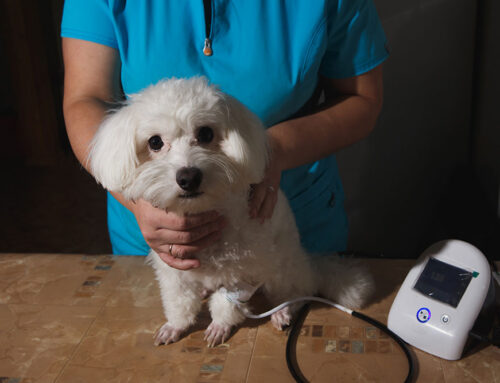
A pre-travel exam confirms your pet is fit to fly or drive. We review breathing and heart health, any chronic issues, medications, and plans for motion sickness or anxiety.
If needed, our diagnostics can screen for underlying concerns before you go. Update ID tags, confirm microchip info, and keep recent photos handy in case you get separated.
We also discuss practical tips for traveling safely with your pet: how to manage nerves, prevent tummy upset, and stick to routines as much as possible.
Packing Smart for Travel Day
Create a simple travel kit:
- Health certificates and vaccine records in a waterproof folder- with extra copies
- Enough food for the trip plus three extra days
- Medications in original containers
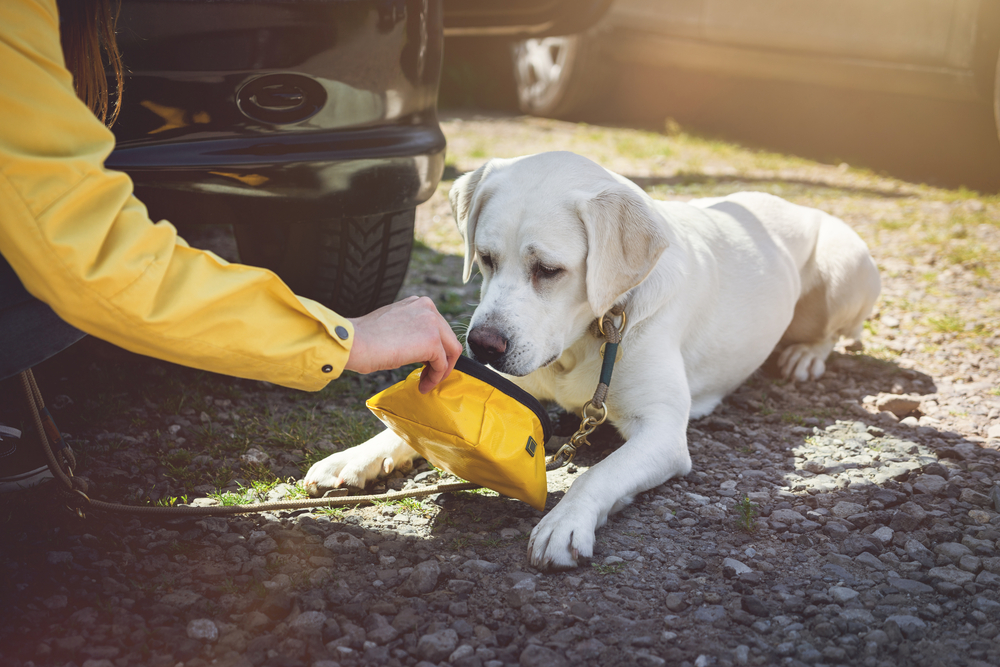
- Collapsible bowl and bottled water
- Waste bags and cleanup supplies
- Leash, harness, and spare collar
- A familiar blanket or toy
- Recent photos of your pet
- Contact info for veterinarians at your destination
Feed a light meal 3 to 4 hours before departure to reduce motion sickness. Offer water until it’s time to leave, unless we advise otherwise. Give your pet a good walk or play session before you head out to help them settle.
Keep all documents in your carry-on and store digital copies on your phone. Stay calm at the airport. Your pet takes cues from you, and a steady tone helps them feel safe.
FAQs: Quick Answers for Smoother Trips
Do I need a health certificate for domestic flights? Usually yes. Airlines often require one even if your destination state does not. Check both state requirements and airline policies to be safe.
How far in advance should I start? Begin 4 to 6 weeks ahead for domestic travel. For Hawaii or international trips, start several months early. Some destinations can take many months of preparation.
What’s USDA endorsement, and do I need it? It’s federal approval added to some health certificates. We’ll confirm if your destination requires it and handle timing based on pet travel requirements.
Can my pet fly in-cabin? It depends on your airline’s size, weight, and carrier rules. Reserve the pet’s spot as soon as you book your ticket, as cabin spots are limited.
Should I sedate my pet? Generally no, unless recommended for a medical reason. Sedation can be risky at altitude. Training and comfort items are safer options.
What about Hawaii? Hawaii has strict rules and wait periods. Review requirements and start early to avoid quarantine. We use ISO-compliant microchips at Animal Hospital at Hillshore, which meet Hawaii’s standards.
What if I’m driving instead of flying? You may still need documents when crossing state lines. We’ll help you check requirements for your route.
What if my paperwork is incomplete? Delays, denial of boarding or entry, or quarantine are possible. Double-check requirements with official sources and our veterinary team well before your departure date.
Your Partner in Travel Preparation
Thoughtful planning turns pet travel into a shared adventure. When you understand the paperwork, airline policies, and health steps, you can travel with confidence. Start early to keep the process smooth and stress-free.
At Animal Hospital at Hillshore, our USDA-certified team, clear communication, and comprehensive care make travel preparation easier. We answer your questions, provide required documents, and help your pet stay healthy before, during, and after your trip.
Ready to plan your next journey together? Contact us to schedule a travel consultation. We’re here to guide you, ease your worries, and be your partner in your pet’s care every step of the way.




Leave A Comment