
Ear Infections in Pets: Recognizing Pain Before It Gets Worse
Have you seen your dog or cat scratching at their ears, tilting their head, or rubbing against the furniture? Maybe there’s a strong smell or you notice a dark gunk when you look inside. When your pet is uncomfortable, you worry. These signs like head shaking, odor, and discharge are often the first clues to an ear infection. Ignoring these issues can allow a simple infection to progress into something far more serious, causing chronic pain or even affecting their hearing. Knowing what to look for and seeking timely veterinary care and proper cleaning are essential steps to avoid long-term complications.
At the Animal Hospital at Hillshore, our compassionate team understands how distressing ear infections can be for pets and their families. We offer same-day sick visits and thorough diagnostic evaluations to pinpoint the cause of discomfort. Our culture of caring means your questions are always welcome, and every treatment plan is designed to relieve pain and prevent recurrence through thoughtful, evidence-based care.
Recognizing Ear Infections in Pets
Common Signs of Ear Infections
An ear infection, known medically as otitis externa, can range from mild irritation to a painful, chronic condition. Dogs and cats may scratch, rub, or shake their heads persistently. Owners often notice:
- Redness or swelling in the ear canal
- Unpleasant odor
- Brown, yellow, or black discharge
- Sensitivity when the ear is touched
- Tilting or holding the head to one side
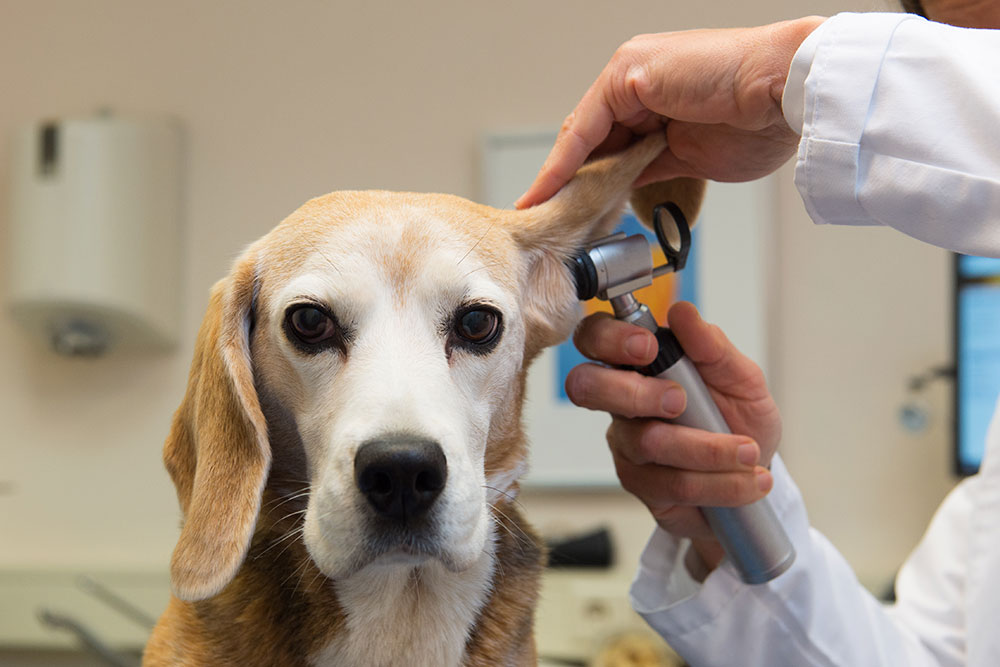
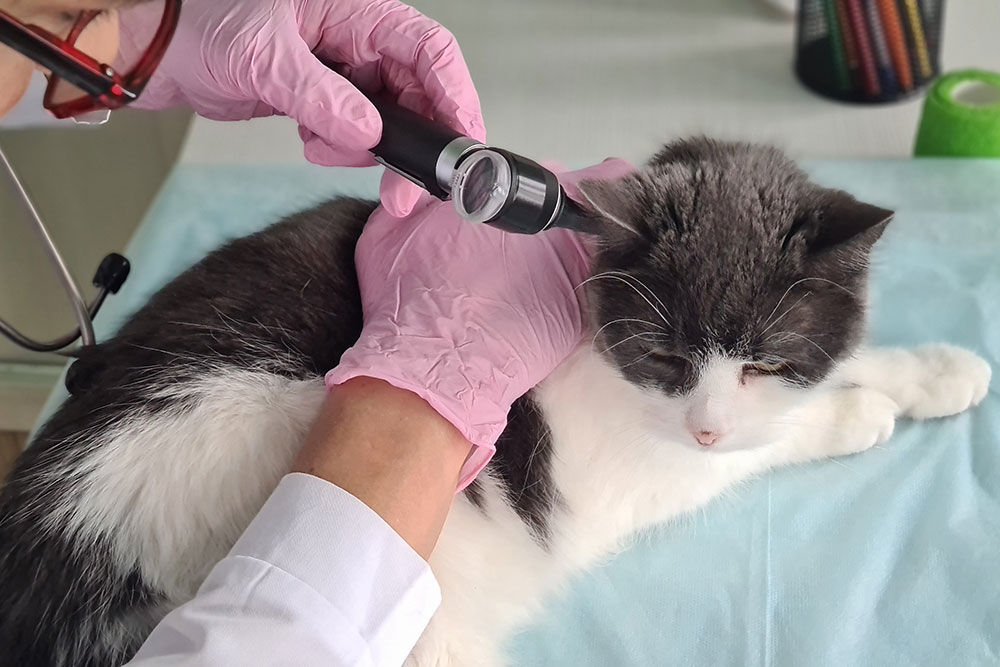
These signs indicate inflammation that may worsen without care. Our veterinarians use an otoscope to visualize the ear canal and take cytology samples to identify whether yeast, bacteria, or mites are present. Comprehensive diagnostic testing ensures we select the right medication and cleaning plan for your pet’s unique condition.
Left untreated, inflammation can spread deeper, sometimes reaching the middle or inner ear and affecting balance. You may see your pet walking in circles or having trouble standing upright. These more advanced cases can be painful and require immediate medical attention.
Common Causes of Ear Infections in Dogs and Cats
Underlying Health Issues and Triggers for Pet Ear Infections
Several factors contribute to ear infections in pets, often working together. Allergic skin disease is one of the most common root causes as allergies inflame the skin, damaging the barrier and allowing yeast and bacteria to thrive in the moist, warm ear canal. Food sensitivities can also play a role; some pets require a diagnostic diet trial to uncover food allergies that contribute to chronic ear inflammation. Itchiness from allergies cause pets to scratch their ears, further damaging the skin and allowing organisms to cause infection.
Outdoor pets may encounter foxtails, small barbed grass seeds that carry bacteria and can wedge into the ear canal, causing painful infections. Pets who swim frequently or live in humid environments are also at higher risk because trapped water encourages microbial growth.
In addition, endocrine disorders like hypothyroidism and Cushing’s disease may weaken a pet’s immune system, making them prone to infections that don’t heal as easily. Dogs with floppy or hairy ears, such as Cocker Spaniels, Labradoodles, or Golden Retrievers, are naturally more susceptible because airflow is limited.
Our team provides personalized allergy testing and preventive guidance through wellness and prevention care, helping to manage the underlying issues that make pets more vulnerable to ear problems.
Examining and Cleaning Your Pet’s Ears
Proper Ear Cleaning Techniques for Pets
Gentle cleaning is essential for ear health, but it’s easy to do more harm than good without proper instruction. If you think your pet has an ear infection, have them professionally checked before cleaning- if they have a ruptured ear drum, some ear cleaners can cause deafness or further damage. Our veterinary nurses can demonstrate how to clean your pet’s ears safely using a vet-approved cleanser.
To clean your pet’s ears:
- Hold the ear flap upright and apply a small amount of cleanser.
- Massage the base of the ear gently for 20–30 seconds.
- Let your pet shake their head.
- Wipe away loosened debris with soft gauze or cotton around the outer ear.
Be especially gentle with cats. Never insert cotton swabs into the canal; they can push debris deeper or injure the eardrum. For pets who resist cleaning or show pain, stop and call for an exam. The Hillshore team can assess discomfort, demonstrate safe handling, and provide instruction on examining and medicating the ears at home.
Regular cleaning is one of the best forms of prevention, especially for pets who swim or have allergies. Some pets benefit from weekly maintenance, while others may only need monthly cleanings. Your veterinarian can help you determine the safest schedule.
Treatment Options for Ear Infections in Pets
Medical and Surgical Treatments for Pet Ears
Once infection type and severity are identified, treatment typically involves topical drops, ear cleansers, and sometimes oral medication. In severe or chronic cases, damage to the ear drum and deeper inflammation into the middle or inner ear may occur. This may require more intensive therapy.
If pets shake their heads excessively and damage their ear flaps, an ear hematoma may occur. This happens when the blood vessels inside the ear flap rupture from the trauma, causing bleeding inside the ear pinna. If your pet’s ear flap becomes swollen, hot, painful, or bleeds, see a vet promptly. Drainage is typically needed, and surgery is often the only way to fix it permanently to prevent further damage or scarring.
When scar tissue permanently narrows the canal or infection extends into the middle ear, a procedure called total ear canal ablation may be needed to remove diseased tissue and relieve pain. While this surgery is reserved for advanced cases, early care prevents the need for invasive intervention.
Pain relief is an essential part of treatment. Anti-inflammatory medications, medicated ear flushes, and rechecks are part of every recovery plan. The Hillshore team also ensures ear infections are truly healed before ending treatment, helping prevent resistant bacteria and long-term damage.
At the Animal Hospital at Hillshore, our veterinarians emphasize pain management, precise anesthetic safety, and follow-up cytology to ensure infections are fully resolved. Every treatment plan includes rechecks and continued support for your pet’s recovery.
Prevention and Ongoing Care for Your Pet’s Ears
Maintaining Ear Health
Preventing ear infections means understanding your pet’s unique risks and maintaining consistent care. Dry ears thoroughly after swimming or bathing, and keep hair around the ear canal neatly trimmed. Diet and supplements that support skin health, like omega fatty acids, can reduce inflammation and itching.
If your pet has allergies, consistent management is key. Medications, special shampoos, or hypoallergenic diets can reduce flare-ups and keep the skin barrier healthy. Regular ear exams during wellness visits allow early detection of subtle irritation before it becomes painful. Our preventive care visits include education on at-home cleaning tailored to your pet’s breed and lifestyle.
Ear infections can also recur seasonally, especially when humidity rises or pollen counts spike. Many pets benefit from more frequent cleanings during the summer months or after rainy weather. Your veterinarian can help you create a prevention plan that adapts with the seasons.
When to Contact Your Veterinarian About Your Pet’s Ears
Persistent scratching, head shaking, or foul-smelling discharge are all warning signs that it’s time to seek veterinary care. If your pet seems off balance, cries when touched, or if symptoms return soon after finishing medication, schedule a recheck immediately. Delaying care can allow infections to deepen, leading to hearing loss or chronic discomfort.
During an appointment, our team will assess your pet’s ear pain and restore their comfort. Reach out to us directly and speak with our knowledgeable staff about next steps.
Proactive Ear Health Care
Healthy ears mean happier, more comfortable pets. Regular cleaning, balanced nutrition, and early attention to redness or odor can prevent months of discomfort. At the Animal Hospital at Hillshore, our veterinarians are here to guide you through every stage, from prevention to treatment to long-term management, with kindness and expertise.
Your pet’s comfort matters deeply to us, and we’ll help ensure they never have to live with unnecessary pain. To schedule an ear exam or wellness visit, request an appointment or call us. In the meantime, learn more about our team and the compassionate care that makes Hillshore a trusted partner in your pet’s health journey.



Leave A Comment