
Faster Recovery After Surgery: How to Help Your Pet Heal Safely and Comfortably
Bringing your pet home after surgery can feel like a huge responsibility. Suddenly, the only thing on your mind is making sure they rest, heal, and get back to their normal routines of chasing squirrels or demanding breakfast at 5 AM. While keeping them calm might feel like a second job (especially if you have a dog who thinks “rest” is a suggestion), seeing them gradually move better and regain their playful energy is the best reward.
We want every pet owner in Madison to feel supported during their pet’s recovery, which is why Animal Hospital at Hillshore focuses on comprehensive post-operative care that includes clear guidance, pain management, and supportive therapies like acupuncture when they can help. When you partner with us, we become your guide through the entire process, from surgery day through the final recheck. If your pet has a procedure coming up or you are navigating recovery now, contact us any time with questions.
What Does Normal Post-Op Recovery Actually Look Like?
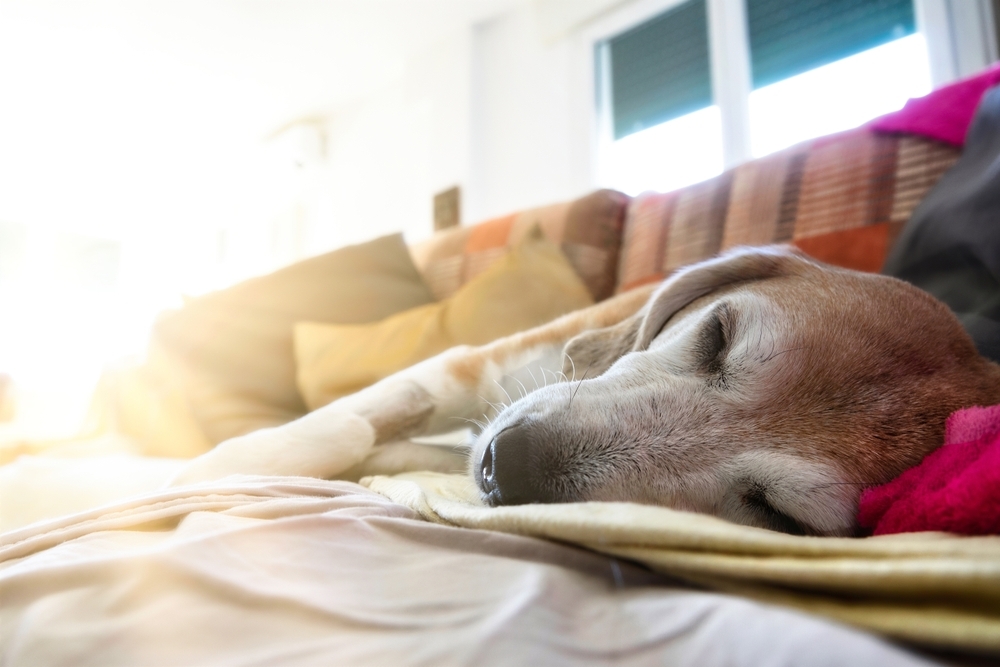
Most pets are groggy and a little out of sorts the day of surgery, and that is completely expected. They may seem wobbly, disoriented, or quieter than usual. By the next morning, most are steadier on their feet and starting to show more interest in their surroundings.
The early healing process follows a general pattern. During the first 24 hours, grogginess, mild nausea, and soreness are normal. Between days two and seven, swelling and bruising tend to peak and then start fading. Over weeks two through six, tissues gradually regain strength as long as activity stays controlled.
Every pet and every procedure is a little different, so these timelines are guidelines rather than guarantees. Our team monitors patients closely during anesthesia recovery and schedules post-op checks supported by in-house diagnostics when needed to make sure healing stays on track.
What Should You Expect During the First Few Days at Home?
Mild sleepiness, a smaller appetite, and a quieter demeanor for 24 to 48 hours are typical. Most pets do best in a cozy, low-traffic area away from stairs and slippery floors. Keep the incision clean and dry, and use an Elizabethan collar (the “cone of shame”) consistently to prevent licking. Don’t let them gulp down a whole bowl of water or a full meal as soon as you get them home- start with a small amount of water and a small snack if they are interested, and work up from there. They may be unsteady on their feet, so use extreme caution around stairs and furniture. They may also be grumpy, so keep other pets and children away while recovering.
Tips that make those first days easier:
- Set up a quiet recovery zone with soft bedding and easy access to water
- Use the cone consistently. Small adjustments, like padding the edges, can make a big difference in making a cone comfortable for your pet
- For cats, a contained, cozy post-op setup makes a big difference. Choose a small, quiet space with easy access to food, water, and a litter box. Caring for your cat after surgery is often simpler than expected once you have the right setup in place
- Stay consistent with prescribed medications and use a written schedule so nothing gets missed
- If you are not sure whether your pet’s incision looks normal, check out these incision photos to show you what to expect at each stage of healing
- Your pet should urinate normally after surgery. They may not defecate right away since they were fasted for surgery and because some pain medications can cause mild constipation. A few spoonfuls of plain canned pumpkin added to their food can help. Let us know if they don’t pass any stool within two days of coming home.
If anything seems off during those first days, do not hesitate to contact us.
What Is Post-Anesthesia Dysphoria, and Why Is My Pet Acting So Strange?
Some pets wake up from anesthesia acting confused, agitated, or even a little frantic. They might whine, pace, not recognize their surroundings, or seem restless in a way that does not match their personality at all. This is called post-anesthesia dysphoria, and while it can be alarming to witness, it is usually temporary and resolves within a few hours. Undergoing anesthesia and the different feelings that come with pain medications can be weird for some pets; more vocal breeds like Huskies tend to share their opinions about the experience.
The most important things you can do are keep the environment dim and quiet, stay calm yourself (your pet picks up on your energy), prevent them from hurting themselves by blocking stairs and sharp furniture edges, and give the sedation time to fully wear off. If agitation lasts more than a few hours or your pet seems to be in genuine distress, call us.
When Is Recovery Not Going the Way It Should?
It helps to know what warrants a phone call versus what is expected.
Contact us right away if you notice:
- Excessive bleeding or discharge with an odor coming from the incision
- Rapid swelling, heat, or gaping along the incision line
- Ongoing vomiting or diarrhea, or refusal to eat for more than 24 hours
- Pale gums, trouble breathing, or signs of severe pain
- Extreme lethargy or a pet that seems much worse rather than gradually better
Recognizing common pain signs like a tense posture, hiding, panting, or vocalizing helps you catch discomfort early. A quick, gentle at-home health exam can help you organize your observations before calling. Some situations are always urgent, and knowing the signs of veterinary emergencies helps you act quickly when it counts.
How Do We Keep Your Pet Comfortable While They Heal?
Comfort is the foundation of good healing. We use multimodal pain control, which means combining medications, using local nerve blocks, and providing supportive therapies to keep your pet as comfortable as possible without oversedating them.
At home, you are our eyes and ears. Watch for changes in appetite, posture, pacing, or sleep quality. Dogs may pant, whine, or become restless when they are hurting. Cats often hide discomfort behind stillness or subtle facial changes, and the feline grimace scale can help you read those cues. If your pet seems less comfortable than expected, let us know.
Why Does Activity Restriction Matter So Much?
This is the part that tests every pet owner’s patience. Activity restriction protects sutures, implants, and healing tissues from strain. Even a quick dash to the door or a leap onto the couch can set back weeks of healing, so this is one area where being strict really pays off.
For dogs, crate rest with soft bedding, leash-only potty breaks, and non-slip runners in hallways prevent slips and sudden bursts of energy. Surviving crate rest with your dog is easier with practical strategies for keeping both of you sane during those long weeks of confinement. If crating is impossible or makes them too anxious, they can be leashed to an immovable object under supervision- like to the leg of a couch while you’re there with them.
For cats, a small room or large kennel creates structured downtime. Cage rest for cats can be set up simply with a litter box, soft bedding, and food and water within easy reach. Make sure they don’t have access to cat trees or window ledges.
To keep minds busy without overdoing movement, try food puzzles, chew toys, snuffle mats, frozen Kongs, and scent games. Cats often enjoy simple enrichment toys that keep paws active without requiring full-body movement.
We provide written activity restrictions customized to the specific surgery and expand them gradually as healing allows.
What If Your Pet Will Not Eat After Surgery?
Anesthesia and pain medications can suppress appetite, and most pets are not interested in a full meal for the first day or so. That is usually fine. But nutrition is what powers tissue repair, so we want to see eating pick back up by day two.
If your pet is not eating after surgery, smaller, more frequent meals are often easier than large portions. Slightly warming food enhances aroma. Hand-feeding can coax a reluctant pet. Simple tweaks like changing texture or adding a tasty topper often do the trick, and encouraging picky eaters usually comes down to finding the right combination of smell, texture, and timing.
Keep in mind that deep tiredness can also suppress appetite. Post-surgical fatigue is normal, but lethargy that persists or worsens rather than gradually improving is worth a closer look. If your pet has not eaten after 24 hours, call us so we can assess and adjust the plan.
What Should You Watch For With Breathing After Surgery?
Breathing should look easy and quiet during recovery. Rapid or effortful breathing, open-mouth breathing in cats, blue or gray gums, or a stretched-out neck posture are all signs of respiratory distress that need immediate evaluation. If you see any of them, contact us right away.
What Does Recovery Look Like for Common Surgeries?
Every procedure has its own timeline and quirks. Here is a general idea of what to expect for some of the surgeries we see most often.
Spay and Neuter
Spay and neuter surgeries are among the most routine procedures in veterinary medicine, and recovery is usually smooth. Most pets are back to their normal energy levels within 7 to 10 days. The main challenges are keeping the incision clean, preventing licking, and convincing an energetic young pet that they really do need to take it easy for a full 10 to 14 days. Females typically need a little more recovery time than males because the surgery is more involved.
Foreign Body Removal
Dogs are especially talented at swallowing things they should not, from socks to corn cobs to toy parts. Gastrointestinal foreign body surgery removes the object and repairs the affected section of the digestive tract. Recovery typically takes around 14 days and requires a gradual return to normal feeding, starting with small, bland meals and slowly reintroducing regular food as the gut heals. These pets need close monitoring for vomiting, appetite changes, and incision healing, and they usually have a recheck within the first week. The first five days after surgery are the most critical, especially if your pet had damage to their stomach or intestines, as there is a risk of the internal tissues not healing properly.
Knee Surgery (TPLO)
TPLO surgery repairs a torn cranial cruciate ligament in the knee, and recovery is a longer commitment. Most dogs need 8 to 12 weeks of controlled activity with a structured rehabilitation plan. Leash walks only, no stairs without assistance, no jumping, and no off-leash activity until cleared. The good news is that most dogs return to happy, active lives once fully healed. This is one of the surgeries where integrative support like laser therapy and acupuncture can make a noticeable difference in comfort during those long weeks of restricted movement.
How Can Integrative Therapies Support Healing?
While rest, medication, and careful monitoring form the core of post-operative care, integrative therapies can add meaningful comfort, especially for pets recovering from orthopedic procedures or managing complex pain.
Laser therapy uses focused light energy to reduce inflammation, ease pain, and stimulate tissue repair. Sessions are quick, non-invasive, and usually so relaxing that pets doze off.
Acupuncture can calm pain pathways, reduce inflammation, and promote circulation in healing tissues. Many pets relax so deeply during sessions that they nap right through them. It is a well-established therapy with growing use in surgical recovery.
Physical rehabilitation uses gentle range-of-motion exercises, targeted strengthening, and balance work that progresses with healing. The right movement at the right time supports better outcomes, and hydrotherapy may also be recommended for certain recoveries. For orthopedic surgeries, rehab is a critical part of a successful recovery.
Not every pet needs integrative care after surgery, but for those who do, these tools can make a meaningful difference in comfort and timeline.
Building a Recovery Plan That Fits Your Pet and Your Life
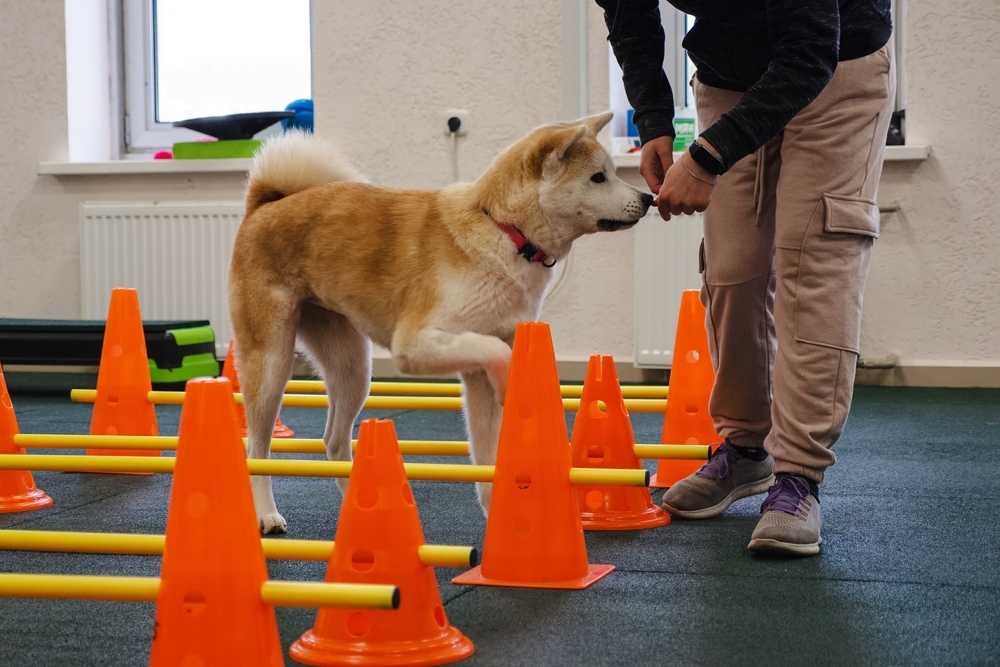
There is no single recovery plan that works for every patient. We design plans around the pet in front of us, blending rest, medication, nutrition support, and integrative therapies as needed, with regular check-ins to adjust as healing progresses. You will always know what to expect over the next few days and what would prompt an earlier visit.
A typical plan includes clear, written home instructions after surgery, follow-up exams to reassess pain and incision healing, and integrative options when indicated. Once recovery is complete, our wellness and prevention services help maintain strength and health long-term.
Your Recovery Partner in Madison
Healing is a team effort. Your attentive care at home, paired with our veterinary guidance and supportive therapies, helps pets feel better sooner and stay safer while they heal. If questions come up at any point, our team is here.
If your pet has surgery scheduled or you are in the middle of recovery, contact us to talk through a personalised plan. We are honored to support you and your pet every step of the way.


Leave A Comment