
From Neck Strain to Trachea Damage: How Equipment and Toy Choices Affect Pet Health
Choosing how to walk a dog seems straightforward until you start researching options and realize how many strong opinions exist about collars versus harnesses, flat collars versus martingales, front-clip versus back-clip attachments. Toys that look fun can actually result in fractured teeth and intestinal blockages. Beneath the debates lies a more important question: which equipment keeps dogs physically safe while supporting positive training methods? Which toys won’t land your pet in the ER? Some popular tools and toys come with risks that aren’t immediately obvious, and understanding those risks helps families make informed choices.
The Animal Hospital at Hillshore in Madison believes equipment decisions should prioritize both safety and the emotional wellbeing of companion animals. We’ve treated dogs with injuries ranging from tracheal trauma to cervical spine issues caused by equipment that applied force in harmful ways. Through our wellness and prevention services, we help families understand which restraint devices and toys support healthy development and which ones create unnecessary risk. When injuries do occur, our digital X-ray technology and board-certified radiologist interpretations help us assess the extent of damage and create appropriate treatment plans.
What Makes Some Pet Products Risky?
That crowded pet aisle can be misleading. Some restraint devices rely on discomfort or pain. Certain toys break into dangerous pieces. Popular chews can crack teeth or block intestines.
Not every product marketed for pets puts safety first. We’ve seen the consequences when well-meaning owners pick items that unintentionally harm their dogs. Our goal is to help Madison families choose gear that supports health and confidence.
Reading Your Dog’s Signals
Before picking gear, learn how your dog communicates comfort and stress. Dogs show canine body language through posture, eyes, ears, and movement. The right equipment should support calm behavior, not suppress or punish normal communication.
Watch for stiff bodies, backing away, or whale eye (seeing the whites of the eye). These are red flags. The stress ladder demonstrates how small stress signals can escalate if ignored. The more equipment causes fear or pain, the more likely distress will rise.
Questions to ask:
Does your dog approach the leash happily or avoid it?
- Do they relax on walks, or stay tense and panting?
- Do reactions worsen around people or dogs when certain gear is used?
- During wellness exams, we evaluate comfort and movement to spot equipment-related issues early.
Why Positive Training Guides Our Advice
Reward-based training builds trust and reduces stress. The positive training philosophy focuses on teaching what to do and paying dogs well for doing it. It works better long-term because it addresses the cause of pulling, reactivity, or jumping- not just punishing it when it occurs. We want to teach them what to do, and not just punish them without giving guidance on good behavior.
Pain-based tools may suppress behavior briefly, but they don’t teach skills. They also risk injuries and can create fear that spills into aggression. We recommend tools that make calm walking easier to learn and reinforce.
Benefits of reward-based methods:
- Stronger bond and better communication
- Less stress for everyone
- Addresses causes, not just symptoms
- More reliable results over time
Training Devices That Do More Harm Than Good
Some devices work by causing pain or fear. Prong collars have metal prongs that press into the neck. Choke chains tighten around the throat. Shock collars deliver electric stimulation.
The risks are well documented. Dogs can experience tracheal damage, neck strain, eye pressure increases, and psychological fallout from training collars. Statements from veterinary organizations also warn against aversive training methods, which can worsen behavior and even contribute to aggression in dogs.
Common complications linked to aversive collars:
- Tracheal collapse or bruising
- Neck and spinal strain
- Skin wounds and infections
- Heightened fear or aggression
If you’re struggling with pulling or reactivity, our team can recommend humane options that protect your dog’s physical and emotional health.
Why Retractable Leashes Are Risky
Retractable leashes sound convenient but create serious safety and training problems. The thin, long cord can cause rope burns, lacerations, or entanglement injuries. People have even lost fingers from retractable leashes. These leashes also give you little control in emergencies and teach dogs that pulling equals more freedom, which makes calm walking harder to teach later. Veterinarians don’t recommend retractable leashes for these reasons.
Specific dangers:
- Cord injuries and tangling
- Reduced control around traffic or triggers
- Lock failures and escapes
- Reinforcement of pulling
We ask clients not to use retractable leashes at our hospital to keep everyone safe.
Safer Walking Gear That Works
Safe gear spreads out pressure, avoids the throat, and helps you manage your dog without pain. Choosing the right collar starts with ID and everyday wear. Flat collars suit most dogs. Martingales help prevent slipping out, especially for narrow heads, without choking when fitted correctly.
Harnesses and head halters give more control while protecting the neck. Harnesses distribute pressure across the chest and shoulders. Back-clip styles work for calmer walkers. Front-clip harnesses help redirect pulling toward you.
Head halters guide the head, like a horse halter. When introduced slowly and positively, they can provide gentle control for strong pullers.
Stick with a standard 4–6 foot leash for communication and control. For teaching recall or exploring open areas, use long line training instead of a retractable leash.
Quick fit tips:
- Collars: snug, with two fingers underneath
- Harnesses: no rubbing and no shoulder restriction
- Head halters: gradual, reward-based introduction
- Leashes: match length to your environment and goals
We’re happy to check fit and show you adjustments during appointments.
Toys That Commonly Cause Emergencies
Some “fun” toys lead to ER visits. Tennis balls can wear down enamel. Small rubber or plastic pieces can be swallowed and block intestines. Rope toys can unravel and bunch in the gut. We’ve performed emergency surgery to remove toy pieces many times at our hospital, utilizing our advanced surgical techniques and state-of-the-art equipment.
Risks rise when toys get worn or are the wrong size. If a ball can fit past the back teeth, it’s a choking hazard. Detachable parts like squeakers or plastic eyes are common culprits.
Common toy-related emergencies:
- Intestinal blockages from swallowed pieces
- Choking on small balls or parts
- Broken teeth from overly hard toys
- String obstructions from rope toys
- Toxic materials from poorly made products
Supervise play, rotate toys, and remove damaged items. If your dog vomits, seems lethargic, or struggles to breathe after playing, contact us right away.
Chews to Avoid (and Why)
Many “natural” chews aren’t safe. The potential dangers of popular dog chews include splinters, blockages, and dental fractures. Bones can splinter. Rawhide can swell and block the gut.
Extremely hard chews like antlers, hooves, and similar items are on lists of dangerous chews to avoid because they break teeth. We see these injuries often and provide comprehensive dental care for fractured teeth or exposed roots, using our digital dental radiology equipment to diagnose hidden damage. Hard nylon chews pose similar risks.
Even bully sticks can cause problems if swallowed in large chunks. Size and chewing style matter.
Warning signs of chew-related trouble:
- Tooth fractures or sensitivity
- Vomiting, reduced appetite, or abdominal pain
- Straining to pass stool
- Chew material seen in vomit or stool
The cost of emergency surgery far exceeds buying safe options from the start.
Better Chew Options
Choose durable rubber toys designed to flex under pressure and resist breaking into small pieces. Use the thumbnail test: if you can’t make a dent in the chew with your nail, it’s probably too hard.
Look for safe chew toys sized so they can’t be swallowed, with no small parts, and materials that suit your dog’s chewing intensity. Puzzle feeders can combine chewing with mental exercise.
What to look for:
- Flexible, slightly “givey” materials
- Correct size for your dog’s mouth
- No detachable pieces
- Reputable brands with safety in mind
- Durability that matches your dog’s chewing style
Rotate chews and inspect them regularly. Ask us during wellness visits for recommendations tailored to your dog.
How Equipment and Enrichment Affect Behavior
The right gear and activities can reduce anxiety, reactivity, and destructive habits. Aversive tools might hide symptoms temporarily, but they often increase stress and risk worse behavior later.
Safe toys, chews, and training set-ups give dogs healthy outlets for energy and curiosity. Also remember: medical issues can masquerade as behavior problems. Pain, dental disease, or thyroid changes can affect how pets act. If behavior shifts suddenly, schedule a checkup. Our in-house laboratory allows us to quickly conduct bloodwork to rule out underlying medical causes.
Behavior tips when choosing gear:
- Anxious dogs need calm, comfortable equipment
- Reactive dogs benefit from control without pain
- Provide appropriate outlets for chewing and play
- Rule out medical issues before training plans
- Use equipment that supports teaching calm behavior
If you’re seeing walking struggles, destructive chewing, or reactivity, we can help assess underlying causes and build a plan.
When to Use a Muzzle
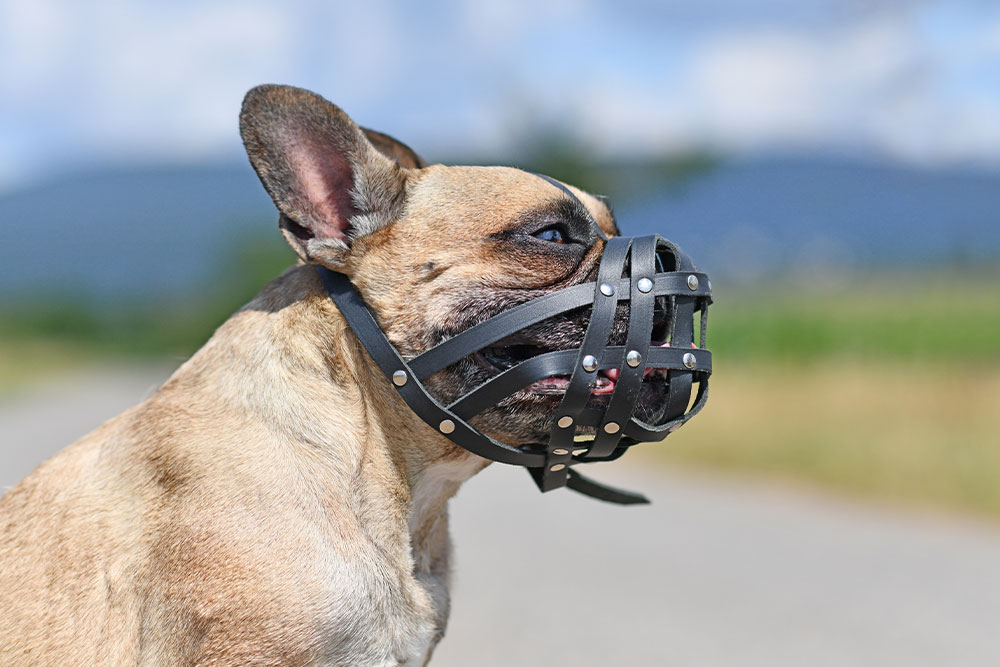
Muzzles can be proactive safety tools, not punishments. With positive basket muzzle training, dogs learn to wear them comfortably.
Good times to use a muzzle:
- Vet visits or grooming for nervous or painful dogs
- New or unpredictable situations where safety matters
- Management while you work on behavior training
- When dogs try to eat anything they can reach
Choose basket-style muzzles that allow panting, drinking, and treats. Fabric muzzles that hold the mouth closed should only be used briefly with close supervision.
Muzzle basics:
- Introduce slowly with rewards
- Ensure a comfortable fit
- Never use as punishment
- Supervise while worn
We can help you select and fit a muzzle, then coach you on training steps.
Transitioning to Safer Gear and Products
Switching from risky tools to safer ones takes a little patience. Pair new items with rewards and start in low-distraction spaces. Expect a learning curve if your dog previously relied on discomfort to stop pulling.
Simple transition plan:
- Choose safe replacements first
- Introduce gradually with treats and praise
- Practice inside or in quiet areas
- Reward calm walking and check-ins
- Replace risky toys/chews in stages
- Ask for help if you hit a snag
Quality gear is an investment that prevents emergencies. One blocked-intestine surgery can cost far more than years of safe toys and chews.
FAQs
What’s the safest everyday setup for most dogs?
A flat collar for ID, a well-fitted front-clip harness for walks, and a 4–6 foot leash.
Are martingale collars safe?
Yes when properly fitted. They help prevent slip-outs, especially for narrow heads, without choking.
What’s a simple rule for safe chews?
Use the thumbnail test. If you can’t dent it, it’s too hard and can break teeth.
Are retractable leashes ever OK?
We don’t recommend them due to control and injury risks. Use a standard leash or a long line for training.
How do I know if a toy is the right size?
It should be too large to fit behind the back teeth and have no parts that can be chewed off.
Making Choices That Protect Your Dog
The right walking gear, toys, and chews prevent injuries, support training, and reduce stress. Avoid equipment that uses pain or fear. Choose tools that help your dog learn and feel safe, and swap out toys or chews that can break, splinter, or be swallowed.
We’re here to be your partner in your dog’s care. If you have questions about equipment, toy safety, or training goals, our team can help with personalized guidance. Let’s keep your dog safe, comfortable, and confident on every walk. Contact us or schedule a wellness and prevention visit to review your current setup and create a safer plan together.



Leave A Comment