
Why Is Your Pet Losing Hair? Endocrine vs. Skin Causes
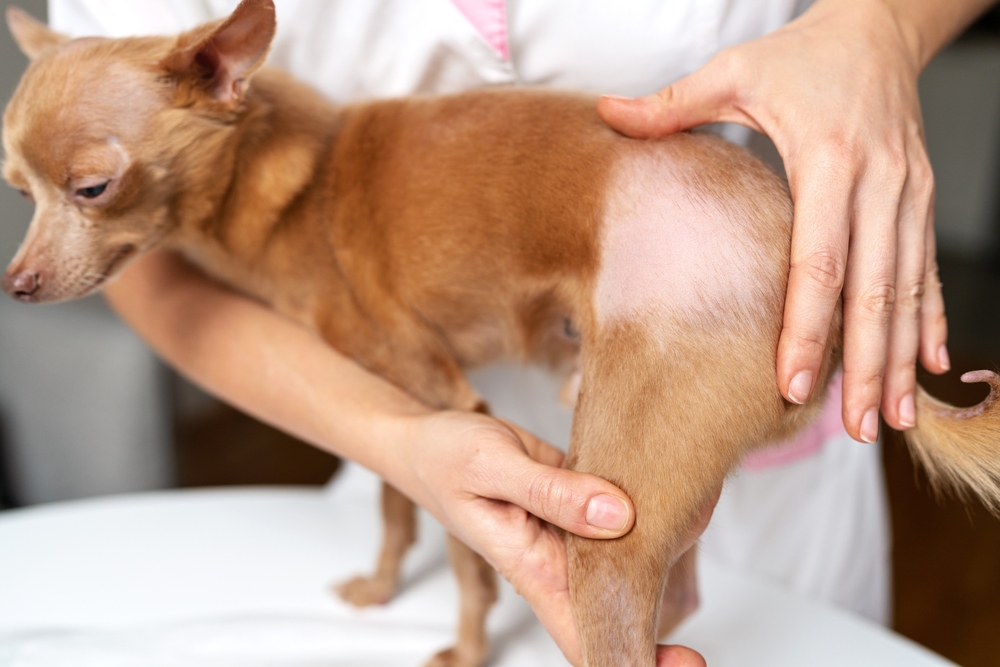
You might spot it during a belly rub: a patch where the fur is noticeably thinner, or an area of bare skin that wasn’t there a few weeks ago. Maybe fur is flying around your house more than it used to, or your cat has licked a spot until it’s a bold spot. What’s normal hair loss, and how much is too much? Hair loss in pets, known medically as alopecia, is more than a cosmetic issue. It’s a signal that something in your pet’s body needs attention, whether that’s a hormonal imbalance quietly disrupting coat growth or a skin condition causing enough irritation to make your dog or cat scratch and chew their fur away. The challenge is that these two very different problems can look surprisingly similar from the outside.
At Animal Hospital at Hillshore, our diagnostic services help us look beneath the surface to identify what’s driving your pet’s hair loss. Whether the answer involves bloodwork pointing to a thyroid issue or skin scrapings revealing a parasite, we’ll build a treatment plan tailored to the actual cause. If your pet’s coat has been changing, contact us to schedule an evaluation so we can figure out what’s going on and help them get back to a full, healthy coat.
Shedding vs. Alopecia: How to Tell the Difference
Not every pile of fur on your couch is cause for concern. Normal shedding is part of life, especially in Wisconsin, where seasonal coat transitions in spring and fall can leave you wondering if your dog is molting. But alopecia is something different. It’s hair loss that goes beyond normal turnover, and it’s always a symptom of an underlying condition rather than a problem in its own right.
Signs that warrant a veterinary evaluation:
- Bald patches or localized thinning outside of seasonal patterns
- Hair that doesn’t regrow, or grows back with a different texture
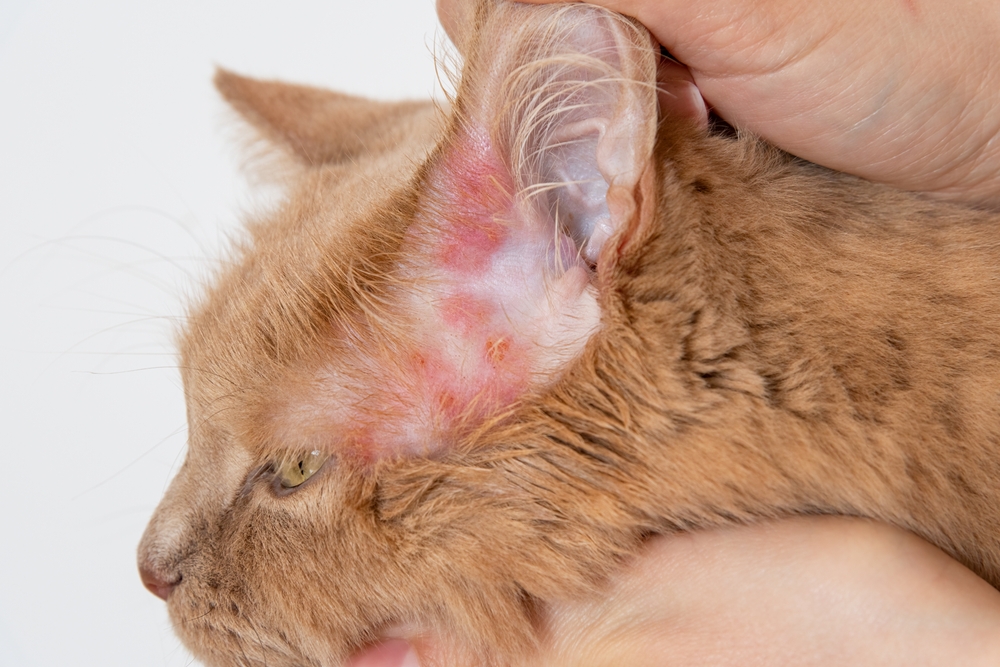
- Redness, scaling, crusting, or thickened skin at the site of hair loss
- Excessive scratching, licking, or chewing focused on specific areas
- Hair loss that is spreading or worsening over time
- Other changes alongside the hair loss, like weight gain, increased thirst, or low energy
If your pet still has a full-looking coat but you’re just seeing more fur on the furniture, that’s likely normal. If there are actual bare patches, skin changes, or a coat that’s noticeably thinning overall, it’s worth getting checked. Annual wellness exams include a full skin and coat assessment, which is one of the most practical reasons to keep those appointments consistent.
Allergies: A Very Common Cause of Pet Hair Loss
Allergies are among the most frequent drivers of hair loss in dogs and cats, and they’re particularly frustrating because they tend to flare, partially improve, and flare again rather than resolving cleanly. The mechanism is indirect: the immune system overreacts to a trigger, causes itching and inflammation, and the resulting scratching, licking, and chewing is what damages the hair and creates bald spots.
The three main allergy types:
- Environmental allergies (atopic dermatitis): reactions to pollen, mold, dust mites, or grasses. In the Midwest, seasonal flares are common in spring and fall, though some pets react year-round indoors.
- Food allergies: typically affect the face, ears, paws, and rear end; diagnosing requires a strict 8 to 12 week elimination diet trial, not just switching brands.
- Flea allergy dermatitis: even a single flea bite can trigger a significant reaction in sensitive pets. Flea allergy is one of the most common causes of hair loss at the base of the tail in cats.
If your pet has recurring itch or hair loss that comes and goes with the seasons, or flares without a clear trigger, an allergy workup is a logical next step. Our diagnostics can help identify what’s driving the pattern so treatment targets the right thing.
Parasites and Skin Infections: Small Culprits with Big Effects
Even indoor pets can pick up skin parasites, and some are too small to see without a microscope. Skin mites are a prime example: you won’t spot them on your pet, but they can cause significant hair loss and discomfort.
Common parasites that cause hair loss:
- Demodex mites: cause patchy hair loss, often starting around the face and paws. More common in puppies or pets with weakened immune systems. Usually not itchy in the early stages.
- Sarcoptic mange (scabies): intensely itchy, with crusting and hair loss on the ears, elbows, and belly. Contagious to other animals and to people.
- Fleas: even without allergy, a heavy flea burden causes enough irritation and scratching to thin the coat noticeably.
Beyond parasites, bacterial and fungal skin infections frequently cause or worsen hair loss. Ringworm is particularly worth knowing about: despite the name, it’s a fungal infection (not a worm), it causes circular patches of hair loss, and it is contagious to people. Skin scraping, cytology, and fungal cultures are the tools that identify these accurately. Year-round parasite prevention keeps the common culprits out of the picture entirely and is something we recommend for all pets during wellness visits.
Hormonal Causes of Hair Loss: What to Look For
When hair thins symmetrically on both sides of the body, along the trunk, tail, or neck, without much scratching or skin irritation, hormones are often involved. These changes can be gradual enough to go unnoticed until they’re quite advanced.
Hypothyroidism and Cushing’s Disease
Hypothyroidism is a common condition in middle-aged dogs where insufficient thyroid hormone slows metabolism and affects the coat. Signs include:
- Symmetrical thinning on the trunk and tail
- Weight gain without a change in diet
- Low energy and cold sensitivity
- A dull, brittle, or dry coat texture
Cushing’s disease (hyperadrenocorticism) involves excess cortisol production and looks quite different:
- Pot-bellied appearance
- Increased thirst and urination
- Panting, even in cool temperatures
- Fragile, thin skin and hair loss along the sides of the body
Sex Hormones and Reproductive Status
In intact male dogs, testicular tumors can produce excess estrogen, causing symmetrical hair loss that mirrors hormonal alopecia. Intact females can develop similar coat changes from ovarian cysts or hormonal fluctuations. In many of these cases, spaying or neutering resolves the problem.
Human hormone treatments can also cause hair loss. If your pet licks areas where topical hormone replacement creams have been applied, or if you touch your pet without washing your hands, they can absorb that medication and develop hormone disruptions causing alopecia.
Why Routine Blood Work Matters for Coat Health
Hormone imbalances often show up on blood work before they become visually obvious, which is one reason routine screening is worth doing even when a pet looks fine. Baseline thyroid, adrenal, and organ values established during wellness visits make early shifts much easier to catch. At Animal Hospital at Hillshore, we include wellness bloodwork as a standard recommendation for adult and senior pets precisely because the coat is often the first thing to change when something shifts internally.
Breed-Related Hair Loss: When It’s in the Genes
Some dogs carry inherited coat conditions that cannot be fully reversed but can be managed comfortably. Knowing your pet’s breed tendencies helps set realistic expectations.
| Condition | Breeds Commonly Affected | What It Looks Like |
| Color dilution alopecia | Dobermans, Weimaraners, Italian Greyhounds | Gradual thinning in diluted-color coat areas |
| Flank alopecia | Boxers, Bulldogs, Airedales | Seasonal bald patches on the sides |
| Sebaceous adenitis | Standard Poodles | Scaling, dull coat, progressive hair loss |
| Zinc-responsive dermatosis | Huskies, Malamutes | Crusting and hair loss around the face and muzzle |
If you have a breed with known coat predispositions, mentioning it at your first visit helps us factor it into the diagnostic picture early.
Stress, Pain, and Overgrooming: The Behavioral Side of Hair Loss
Pets, especially cats, can express emotional distress or physical discomfort through repetitive grooming. Psychogenic alopecia in cats creates smooth, evenly barbered patches of thinning fur, often on the belly, inner thighs, or flanks. Crucially, the skin underneath usually looks normal, with no redness, scabs, or scaling, which helps distinguish it from a primary skin condition.
Feline life stressors that commonly trigger overgrooming include changes in household routine, new people or pets, construction noise, or tension between cats in a multi-cat home. Overgrooming can also be a response to pain that a cat can’t otherwise communicate: osteoarthritis and feline idiopathic cystitis are both associated with increased grooming behavior in specific areas.
In dogs, lick granulomas are a related condition: firm, raised plaques on the lower legs created by compulsive licking that can begin as boredom or anxiety and become self-reinforcing. If you suspect pain or stress is driving your pet’s hair loss, our team can evaluate both the physical and behavioral picture together.
How Nutrition Affects Your Pet’s Coat
The skin and coat are among the first places to show nutritional shortfalls, because hair growth demands a steady supply of protein, fatty acids, zinc, and biotin. A pet eating a nutritionally complete diet is unlikely to have hair loss from diet alone, but there are exceptions:
- Low-quality diets lacking sufficient protein can cause dull, brittle coat and diffuse thinning
- Omega-3 fatty acid deficiencies reduce the skin’s natural barrier and can worsen inflammatory skin conditions
- Food allergies (as discussed above) cause immune-mediated hair loss even in pets eating complete, balanced food
Nutrition counseling is part of what we offer during wellness visits at Animal Hospital at Hillshore. If your pet’s coat has changed alongside a recent diet switch, that context is always worth mentioning.
What Happens During a Hair Loss Workup
Walking into a diagnostic appointment doesn’t have to feel mysterious. Here’s what a typical workup involves:
- Detailed history: When did the hair loss start? Is your pet itchy? Any recent changes at home, in diet, or in medications?
- Physical exam and pattern mapping: Location, distribution, skin texture, signs of secondary infection, and whether other organ systems look involved.
- In-house testing: Skin scrapings to check for mites, cytology to identify bacteria or yeast, and trichography (microscopic hair shaft evaluation) when structural abnormalities are suspected.
- Fungal culture: When ringworm is suspected, cultures take 7 to 14 days for reliable accuracy. This step is easy to skip, but important.
- Bloodwork and endocrine panels: When the pattern suggests hormonal involvement, thyroid and adrenal function testing provides clear answers.
- Allergy evaluation: Elimination diets for food allergy; environmental history review and potentially formal allergy testing for atopic disease.
Our in-house diagnostic services include laboratory testing, digital radiography, and in-house bloodwork, so much of this workup happens here without waiting on outside labs.
How Hair Loss Is Treated
Because so many different conditions cause alopecia, treatment is always matched to the specific diagnosis. Here’s a general overview:
| Cause | Treatment Approach |
| Environmental allergies | Anti-itch medications, immunotherapy, omega-3 support, medicated topicals |
| Food allergies | Strict elimination diet, then long-term management with the identified safe diet |
| Flea allergy | Prescription flea prevention, environmental treatment |
| Parasites (mites, mange) | Targeted prescription antiparasitic treatment; household cleaning |
| Bacterial skin infection | Antibiotics guided by culture and sensitivity when needed |
| Ringworm | Antifungal therapy (topical and/or oral); environmental decontamination |
| Hypothyroidism | Thyroid hormone supplementation with regular blood monitoring |
| Cushing’s disease | Medical management or surgery depending on the cause |
| Stress-related overgrooming | Environmental enrichment, behavior modification, calming support; pain management if applicable |
| Breed-related conditions | Supportive care, fatty acid supplementation, medicated topicals where beneficial |
Follow-up rechecks are a standard part of managing hair loss cases. They confirm regrowth, allow us to fine-tune medications, and catch secondary infections before they set progress back.
Frequently Asked Questions About Pet Hair Loss
How quickly will my pet’s hair grow back?
It depends on the cause. Parasite-related hair loss often improves within 4 to 6 weeks of treatment. Hormonal conditions can take 3 to 6 months to show regrowth once the underlying imbalance is corrected. Some genetic conditions may not produce full regrowth, but supportive care can meaningfully improve coat quality.
Can my pet’s hair loss spread to me or my family?
Most causes are not contagious. The exceptions are ringworm and sarcoptic mange, both of which can transmit to people. Prompt veterinary care and consistent handwashing after handling an affected pet protect the rest of the household.
Is seasonal shedding ever normal?
Yes. Spring and fall coat transitions cause heavier shedding, and this is expected. Bald patches, hair that doesn’t regrow, excessive thinning, or skin changes are not normal and should be evaluated.
Can food cause hair loss?
Yes. Food allergies typically affect the face, ears, paws, and rear end. Diagnosing them requires an 8 to 12 week strict elimination diet trial with a novel or hydrolyzed protein source, not just switching to a different commercial brand.
When should I be concerned about hair loss?
Contact us if you notice actual bald patches, excessive focused scratching or licking, redness or scaly skin at the site of hair loss, spreading or worsening hair loss, or other changes like weight gain, lethargy, or increased thirst alongside the coat change.
Getting Your Pet Back to a Healthy Coat
Most cases of hair loss improve significantly once the cause is identified and treated. Whether your pet is scratching through the night, quietly grooming a patch on their belly, or showing symmetrical thinning you almost missed, there’s a clear path forward once we know what’s driving it. At Animal Hospital at Hillshore, we take the time to work through the whole picture so nothing gets missed and your pet gets real relief.
If your pet’s coat has changed, reach out to our team to schedule an evaluation. We’re here Monday through Friday, and we’ll make sure you and your pet feel supported and heard throughout the whole process.


Leave A Comment