
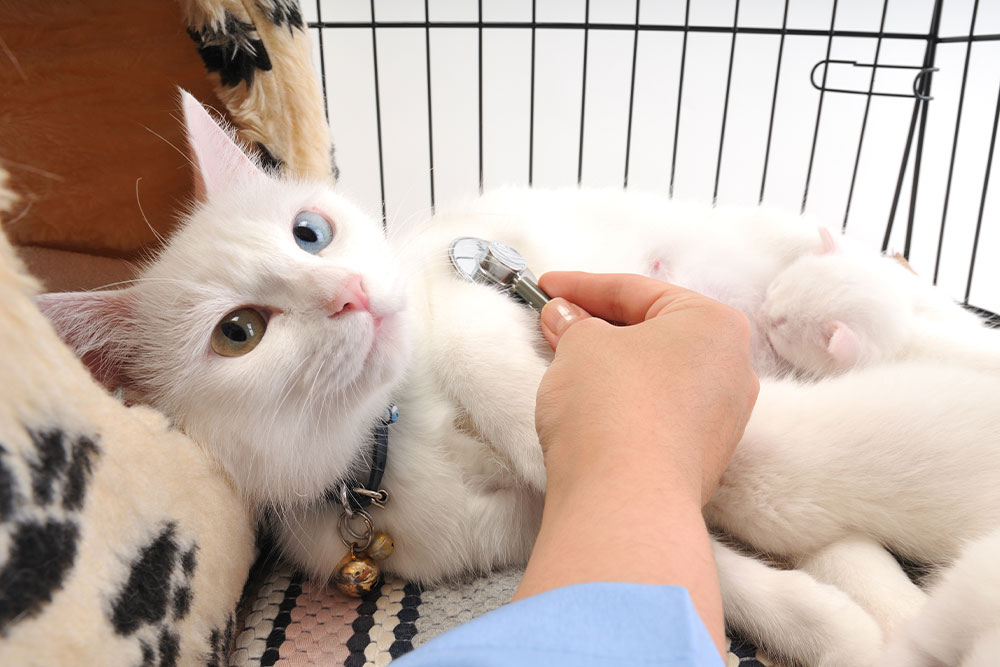
Have you ever brought your pet to the vet and waited days for results—while your dog keeps vomiting or your cat hides under the bed? At Animal Hospital at Hillshore in Madison, WI, we understand how stressful that waiting period can be. That’s why we’ve invested in in-house diagnostics—giving our veterinary team the ability to identify the cause of your pet’s symptoms within minutes, not days.
Below, we explain how our on-site tools help us act fast in medical situations, the common illnesses we uncover, and how you can help your pet by recognizing early signs and bringing the right information to the appointment.
Why Speed Matters in Veterinary Care
Pets can’t explain when something feels off, and by the time symptoms appear—like limping, panting, or vomiting—the underlying issue may already be serious. Delayed diagnosis can mean:
- Dangerous fluid loss or electrolyte imbalance
- Elevated blood sugar in a diabetic emergency
- Toxin absorption after ingesting harmful plants or chemicals
With on-site lab tests and imaging, we can run a full diagnostic workup while your pet is still in the exam room. This rapid turnaround allows us to stabilize, medicate, or even perform emergency surgery—sometimes within the same hour.
What Does “In-House Diagnostics” Mean?
“In-house” means your pet’s blood, urine, or imaging never leaves our building. No third-party lab delays, no shipping concerns—just fast, secure results.
You can read more about diagnostic options in Types of Veterinary Medical Tests – Merck Veterinary Manual, but here’s what we offer on-site:
Our On-Site Diagnostic Capabilities
Complete Blood Count (CBC) and Chemistry Panel
These tests detect anemia, infection, kidney or liver disease, pancreatitis, and more—all from a small blood sample. Learn more about the Importance of Blood Work for Your Dog – Pet Health Network.
Urinalysis
Fresh urine tells us about infections, bladder stones, early kidney disease, or even diabetes. The sooner it’s tested, the more accurate the result.
Fecal Exams
Intestinal parasites are common—especially in puppies, kittens, and outdoor pets. We screen for roundworms, hookworms, Giardia, and more on-site.
Cytology
Microscopic review of skin cells, ear swabs, or fluid samples helps distinguish infection, allergy, or even cancer. Read about how this works in Small Animal Skin Cytology – Today’s Veterinary Practice.
Digital Radiography (X-Rays)
No film, no chemicals—just fast, high-quality images. We can zoom in, adjust contrast, and even email X-rays to specialists. Learn more at Small Animal X-ray Diagnostic Imaging – UC Davis Vet Med.
Real Examples of Fast Diagnosis, Better Outcomes
- A panting, lethargic cat arrives. Our in-house chemistry panel reveals sky-high potassium. We identify a urinary blockage and place a catheter within the hour—preventing cardiac arrest.
- A retriever puppy swallows a sock. X-rays confirm the obstruction, and surgery is performed the same day.
- An older dog collapses on a walk. Our immediate CBC shows immune-mediated anemia. We begin life-saving treatment before the family leaves the building.
What You Can Bring to Help Us Help Your Pet
- A fresh urine sample (within 2 hours)
- A small stool sample—thumb-sized is plenty
- Videos of symptoms like coughing or limping
- A timeline: When did the symptoms start? How many times has vomiting occurred?
- Any potential plant or toxin exposure—use the Toxic and Non-Toxic Plants – ASPCA list to assess risk
Frequently Asked Questions
Are in-house tests accurate?
Yes—our lab machines are calibrated daily, and results are double-checked. For advanced or rare conditions, we’ll still consult a specialist or send samples out when needed.
When will I get results?
In most cases, during your visit. We’ll go over results in person, print copies, and email a summary.
Should we run bloodwork if my pet seems healthy?
Yes. Baselines help us catch illness early. Learn why routine bloodwork matters.
What if results are inconclusive?
We’ll recommend additional testing, referral, or close monitoring. Even partial results help narrow the options and guide next steps.
In-House Testing for Ongoing Care, Too
Fast diagnostics aren’t just for emergencies. Pets with arthritis, thyroid disease, or heart conditions need regular testing to stay safe on medications. Spotting changes early helps us adjust doses and avoid complications.
For example, catching rising liver enzymes in a pet on long-term pain meds can prevent organ damage—and potentially avoid hospitalization.
When to Come In—Right Away
Call us immediately if your pet:
- Vomits or has diarrhea for more than 12 hours
- Strains to urinate or cries out in pain
- Collapses, seizes, or becomes unresponsive
- Eats something toxic (plants, medications, chocolate)
How to Prevent Emergencies Before They Start
- Pet-proof your home (especially plants and medications)
- Keep pets up to date on parasite prevention
- Feed a healthy diet and manage weight
- Schedule wellness visits every 6–12 months
Our Commitment to Your Pet’s Health
At Animal Hospital at Hillshore, we’re proud to offer in-house diagnostics that turn worry into answers—and answers into action. Whether your pet is sick or simply due for wellness screening, we’re here to provide expert care with speed, compassion, and clarity.
Meet our full veterinary team or reach out to schedule an appointment. We’re here to help—when minutes matter and always.



Leave A Comment