
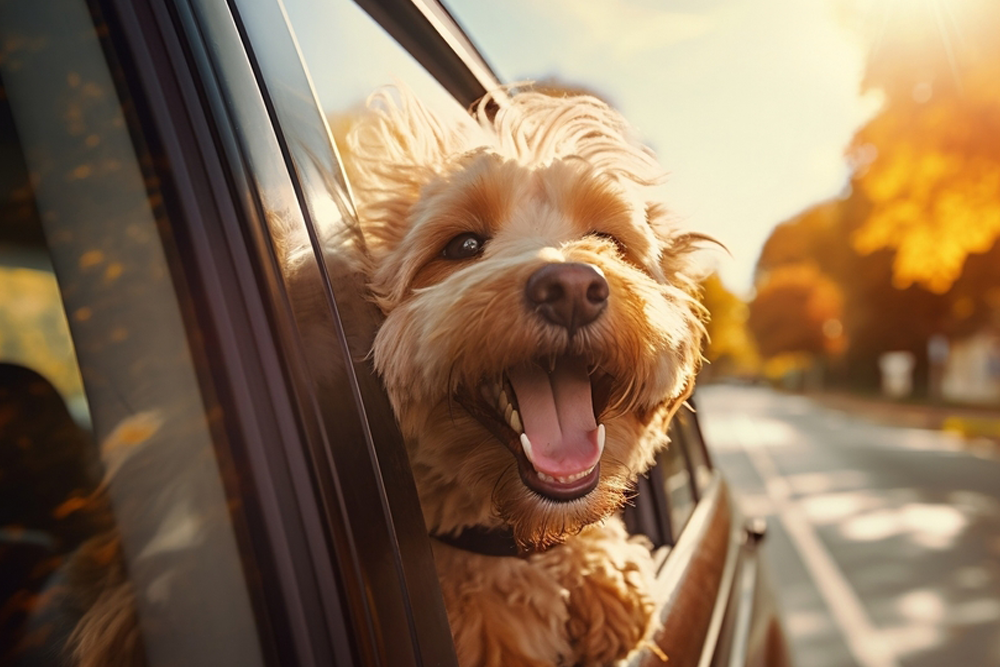
Holiday Travel With Pets: Planning for a Safe and Stress-Free Trip
Whether you’re driving across town or flying across the country, traveling with pets requires extra preparation. Health certificates, carriers, and calming strategies all help ensure your companion’s comfort. A little planning goes a long way toward a smooth holiday journey.
At Animal Hospital at Hillshore, our USDA-certified veterinary hospital provides comprehensive travel preparation services, including health certificates and pre-travel wellness exams. Our culture of caring ensures both you and your pet feel supported throughout the travel planning process.
Getting Your Pet Ready for the Road or Sky
Travel preparation begins weeks before departure, not the night before. If you’re traveling internationally or to Hawaii, you may need to begin preparing a year or more in advance. Even pets who seem easygoing at home may react differently to unfamiliar environments, loud noises, and disrupted routines. A thoughtful approach to preparation reduces stress for everyone involved.
Evaluating Whether Your Pet Is Travel-Ready
Not every pet handles travel equally well. Before committing to bringing your dog or cat along, consider their temperament, health status, and previous experiences with car rides or carriers.
Questions to ask yourself:
- Does your pet become anxious in new environments?
- Have they traveled successfully before?
- Are there underlying health conditions that could worsen during transit?
- Would they be happier and safer staying with a trusted caregiver?
A pre-travel wellness exam helps identify potential problems before they become emergencies. Your veterinarian can assess whether your pet’s heart, respiratory system, and overall condition are stable enough for travel. Pets with heart disease and brachycephalic pets need extra precautions when traveling. This visit also provides an opportunity to update vaccinations and discuss preventive medications for motion sickness or anxiety.
Planning for stress-free travel with your pet requires honest evaluation and professional guidance. If your pet shows signs of severe anxiety or has a chronic illness requiring frequent monitoring, alternative arrangements may be the kindest choice.
Keeping Your Pet Safe During Transit
Safety during travel goes beyond buckling your own seatbelt. Unrestrained pets pose serious risks to themselves and passengers, yet many owners overlook proper restraint systems.
Securing Pets in Vehicles
An unrestrained pet becomes a projectile during sudden stops or accidents. Even a small dog can cause significant injury if thrown forward at highway speeds. Proper restraint protects everyone in the vehicle and prevents pets from interfering with the driver.
Effective restraint options include:
- Crash-tested harnesses that attach to seatbelt systems
- Secured carriers placed on the floor behind front seats
- Vehicle barriers that create a separate cargo area for larger dogs
The basics of keeping pets in vehicles safely extend beyond restraint systems. Never leave pets unattended in parked cars, even briefly. Temperatures can become dangerous within minutes, regardless of outside weather. Ensure proper ventilation, offer water during rest stops, and plan routes with pet-friendly break areas.
Our diagnostic services can identify underlying conditions that might complicate travel, allowing you to make informed decisions about your pet’s safety.
Reducing Travel Anxiety and Fear
Even properly restrained pets can experience significant stress during travel. Preparation and gradual acclimation make the experience more tolerable.
Start carrier training weeks before departure. Place the carrier in a common area with the door open, add comfortable bedding, and offer treats inside. This transforms the carrier from a frightening cage into a familiar den. Many resources can help cats learn to love their carriers through positive reinforcement and patient conditioning.
For dogs, practice short car rides that end with positive experiences like walks in new parks or visits to pet-friendly stores. Gradually increase trip duration as your dog becomes more comfortable.
Additional calming strategies include:
- Pheromone sprays designed to reduce anxiety
- Calming supplements recommended by your veterinarian
- Familiar items like favorite toys or blankets with home scents
- Soft music or white noise to mask unfamiliar sounds
For pets requiring pharmaceutical intervention, schedule a consultation to discuss appropriate medications and dosing schedules.
Preventing Health Problems on the Road
Travel disrupts normal routines and exposes pets to unfamiliar stressors. Being prepared for common health issues prevents minor problems from derailing your trip.
Managing Motion Sickness in Pets
Motion sickness affects many pets, particularly younger animals whose inner ear structures are still developing. Signs include excessive drooling, lip licking, yawning, whining, and vomiting.
Preventing car sickness starts with limiting food intake before travel. Feed a light meal three to four hours before departure rather than immediately before leaving. Position your pet where they can see out windows, as visual reference points help stabilize balance.
Cats often experience motion sickness more severely than dogs. Keep carriers covered with breathable fabric to reduce visual stimulation while maintaining airflow. Place carriers where movement is minimal, typically on the vehicle floor rather than seats.
If your pet consistently experiences motion sickness despite these measures, anti-nausea medications can help. Your veterinarian can prescribe appropriate options and provide dosing instructions based on your pet’s weight and travel duration.
Preparing for Unexpected Emergencies
Even careful planning cannot prevent every possible problem. Being prepared for emergencies protects your pet when quick action matters most.
Assemble a pet-specific first aid kit containing gauze, bandages, antiseptic, tweezers, a digital thermometer, and any prescribed medications. Include copies of vaccination records and your veterinarian’s contact information. Preventing pet emergencies requires both preparation and knowledge.
Consider taking pet first aid classes before traveling. These courses teach CPR, wound management, and how to recognize signs of serious illness. Skills learned in these classes can save your pet’s life during the critical minutes before reaching veterinary care.
Research veterinary clinics along your route and at your destination. Save their contact information in your phone and know their hours of operation. Some areas have limited emergency services, particularly during holidays when many clinics operate on reduced schedules.
Choosing the Right Places to Stay
Accommodations that welcome pets vary widely in their policies, fees, and amenities. Research and advance booking prevent last-minute scrambling and ensure your pet’s comfort.
Finding Pet-Friendly Lodging
Not all pet-friendly hotels are created equal. Some impose weight restrictions, limit the number of pets, or charge substantial daily fees. Others provide dedicated pet areas, walking trails, and even pet-sitting services.
When booking accommodations, ask specific questions about pet policies:
- Are there breed or size restrictions?
- What are the additional fees or deposits?
- Are pets allowed in all areas or restricted to certain rooms?
- Are there designated outdoor relief areas?
- What cleaning protocols are in place between pet guests?
The comprehensive guide to traveling safely with your pet covers accommodation selection, transportation safety, and destination planning. Following these recommendations helps ensure positive experiences at every stop.
Consider your pet’s specific needs when choosing lodging. Older pets or those with mobility issues benefit from ground-floor rooms with easy outdoor access. Anxious pets may do better in quieter locations away from elevators and ice machines.
Navigating the Complexities of Pet Health Certificates
As a USDA-certified veterinary hospital, we provide health certificates required for interstate and international travel. These documents verify your pet’s health status and vaccination history, helping prevent delays at borders or airline checkpoints.
Understanding pet travel regulations is essential when crossing state lines or international borders. Requirements vary by destination and may change frequently. Our team ensures your paperwork, vaccinations, and timelines meet all current standards for a smooth trip.
Canada
Pets traveling to Canada need proof of a current rabies vaccination and a valid health certificate issued by a USDA-accredited veterinarian. Puppies and kittens under three months are exempt from rabies vaccination but still require documentation. Airlines may also require a microchip or specific carrier dimensions.
Mexico
Mexico requires a health certificate issued within 15 days of travel and proof of rabies vaccination. Upon arrival, pets are inspected by Mexican animal health officials. Avoid bringing used bedding, collars, or food to comply with import restrictions.
Hawaii
Because Hawaii is rabies-free, strict entry rules apply. Pets need an ISO microchip, two rabies vaccinations, and a passing FAVN antibody test from an approved lab. Planning ahead allows many pets to qualify for same-day airport release rather than quarantine.
European Union and Other International Destinations
Travel to the EU and other countries requires an ISO microchip, current rabies vaccination, and a USDA-endorsed international health certificate. Some nations also require parasite treatments before entry. Start preparations early- some timelines take several months or even years.
Plan Ahead for a Stress-Free Trip
Every destination has unique rules and deadlines. Our team helps with documentation, vaccination schedules, and travel safety planning so your pet stays healthy, compliant, and ready for takeoff.

Making Holiday Travel Work for Everyone
Successful pet travel requires realistic expectations, thorough preparation, and flexibility when plans change. The effort invested in advance planning pays off in reduced stress and increased safety throughout your journey.
Our experienced team at Animal Hospital at Hillshore understands the complexities of travel preparation. We provide personalized guidance based on your pet’s individual needs, health status, and travel destination. Whether you need health certificates, pre-travel wellness exams, or advice on managing anxiety, we’re here to help make your holiday journey as smooth as possible.
Contact us today to schedule your pet’s pre-travel appointment and ensure you have everything needed for safe, comfortable holiday travel.



Leave A Comment